Germany’s trade relationship with Bulgaria is undergoing a significant and potentially concerning, shift, according to recently released data from Destatis. While exports to Bulgaria have surged in the period January to October 2025, reaching a position of 40th among Germany’s primary export destinations – a marked improvement from 46th at the time of Bulgaria’s EU accession in 2007 – the trends reveal a complex and arguably problematic evolution.
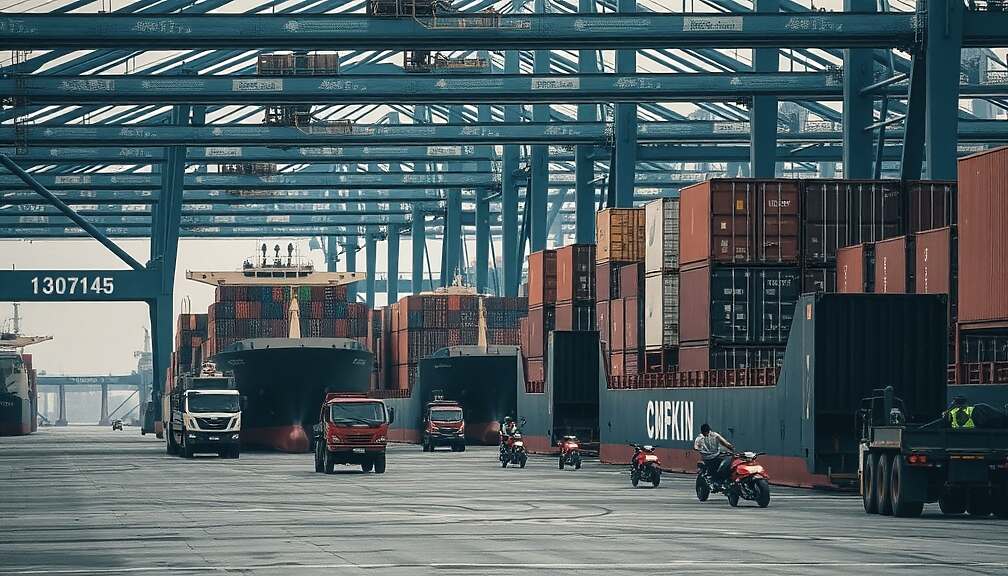
The value of German exports to Bulgaria has ballooned, reaching €5.3 billion, a 7.2% increase year-on-year. Concurrently, imports from Bulgaria have decreased by 6.2%, totaling €5.2 billion. This discrepancy, while currently resulting in a modest €84.1 million export surplus for Germany, represents a dramatic reversal of previous trade dynamics. Prior to 2024, Germany consistently enjoyed import surpluses with Bulgaria, peaking at a staggering €644.5 million just last year. The sudden change raises questions about potential shifts in Bulgarian economic priorities and the nature of goods being traded.
The composition of exports is also revealing. Automotive products and parts dominate, accounting for nearly €1 billion, followed by machinery and increasingly, food products, particularly chocolate and cheese-a sign perhaps of changing consumer habits in Bulgaria. However, the most alarming aspect of the data lies in the import side. The leading import category is “recovery materials” almost exclusively comprised of waste and scrap, especially of precious metals. This €752 million import, a 56.6% increase, signals a potential reliance on Bulgaria as a source of recycled materials, raising ethical concerns regarding waste management practices and the possibility of environmentally unsustainable trade. It also raises questions about Bulgaria’s ability to process these materials to a value-added state within its own economy.
The rapid expansion of German exports, coupled with the growing reliance on Bulgarian waste imports, has amplified the imbalance in the trade relationship. While Bulgaria’s imminent accession to the Eurozone is intended to foster economic integration, the current trade trends warrant careful scrutiny. Germany’s government may need to reassess its investment strategies and regulatory oversight of the trade relationship to ensure a sustainable and equitable partnership, particularly concerning the ethical implications of the import of vast quantities of waste. The shift from an import surplus to a modest export surplus, while seemingly positive for Germany in the short term, potentially masks underlying vulnerabilities in Bulgaria’s economy and raises long-term concerns about environmental sustainability.