German agricultural producer prices experienced a significant decline in November 2025, raising concerns about the sector’s stability and prompting questions regarding government support mechanisms. According to data released Tuesday by the Federal Statistical Office (Destatis), prices fell by 2.6% compared to the previous month, marking a considerable deviation from recent trends. Year-on-year, producer prices were a stark 5.7% lower than in November 2024, a sharper drop than the -1.7% decline recorded in October and a significant reversal from the +2.2% increase seen in September.
The data reveals a bifurcated trend within the agricultural sector. Prices for plant-based products plummeted by 11.5% compared to November 2024, while prices for livestock and animal products decreased by 2.3%, the first annual decrease observed since May 2024. This divergence reflects complex interplay of global market forces and domestic factors.
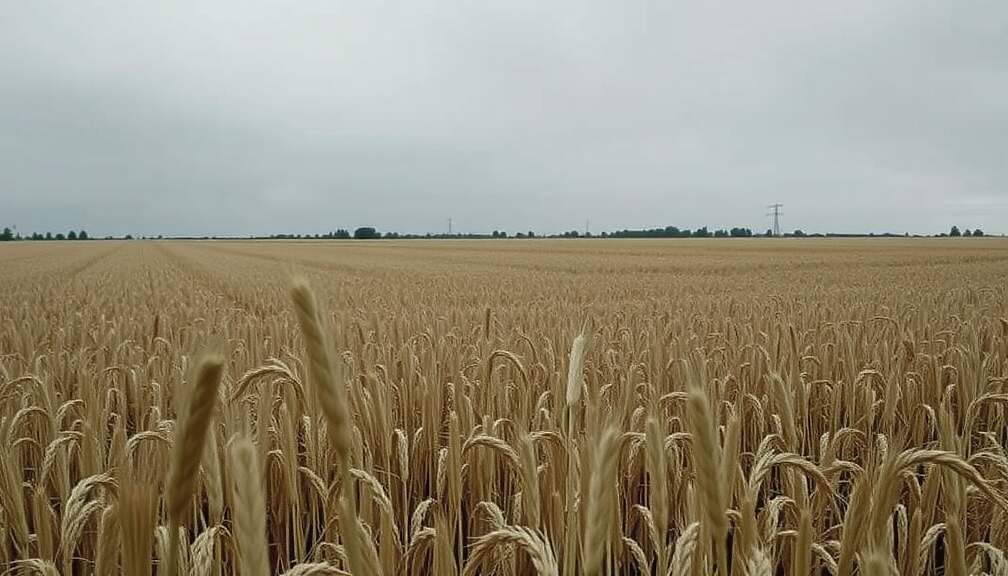
The dramatic downturn in plant-based product prices, specifically, is largely attributed to decreased potato prices-down a staggering 45.6% compared to November 2024. While potato prices saw a rebound of 7.0% compared to October 2025, this temporary rise hasn’t negated the overarching downward trend. Vegetables, particularly staple varieties like cabbage, tomatoes and iceberg lettuce, also experienced substantial price reductions, impacting farmer incomes and potentially contributing to concerns over long-term sustainability within the sector. Fruit prices followed a similar trajectory, falling by 17.7% year-on-year, with table apples bearing a particularly heavy brunt.
Interestingly, while most agricultural commodities experienced price declines, certain categories bucked that trend. Prices for livestock showed an increase of 3.3% compared to November 2024. This anomaly is primarily driven by a substantial 28.7% rise in cattle prices, contrasting sharply with a 13.3% drop in pig prices. Poultry, however, registered a 7.3% increase, particularly spurred by the rising costs of duck, turkey and chicken. The discrepancy between livestock and plant-based product pricing is causing significant imbalance within the farming landscape.
The decline in dairy prices, down 10.2% year-on-year and 6.5% compared to October 2025, is also a source of considerable anxiety for dairy farmers. Conversely, egg prices have seen a surprising 11.0% increase within the same timeframe, potentially reflecting shifts in consumer demand and input costs.
The overall trend raises serious questions about the adequacy of current agricultural policies. Critics argue that the dramatic fluctuations in producer prices underscore the sector’s vulnerability to global market volatility and the need for more robust support systems. The dependence on price-sensitive crops like potatoes necessitates a reconsideration of diversification strategies and investment in climate-resilient farming practices. Furthermore, the divergent trends across product categories point to a need for more nuanced policy interventions aimed at stabilizing income streams for all farmers, rather than blanket subsidies that may not accurately reflect market realities. The long-term implications for food security and rural economies remain a central concern, demanding immediate and comprehensive governmental action.