A concerning trend of caution and contraction is gripping the German labor market, according to the latest data released by the Munich-based Ifo Institute. The Institute’s employment barometer, a key indicator of hiring sentiment, plummeted to 91.9 points in December, marking the lowest level recorded since May 2020 and signaling a significant slowdown in job creation.
The downturn underscores the persistent drag of a sluggish economy on employment levels, with projections suggesting a gradual but consistent erosion of jobs, particularly within the industrial sector, extending well into 2025. Klaus Wohlrabe, head of Ifo’s surveys, characterized the situation as a “creeping job reduction” highlighting the palpable anxieties amongst businesses.
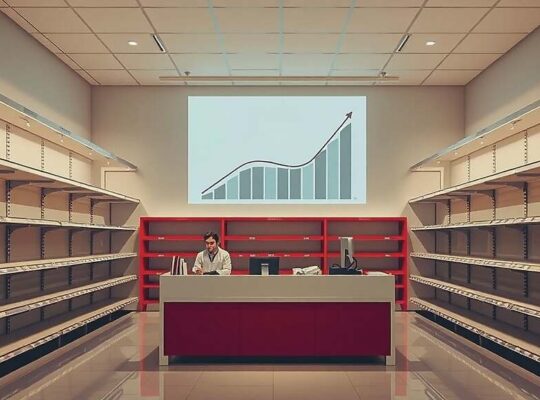
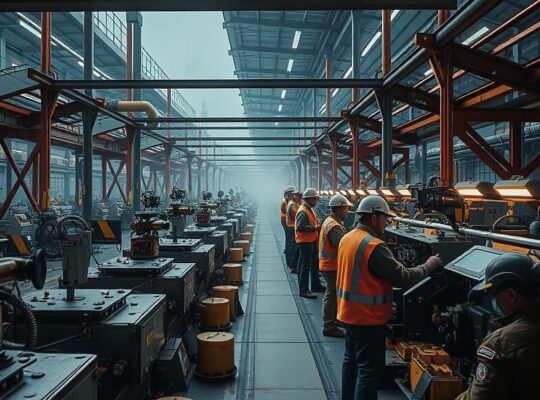
Across nearly all manufacturing sub-sectors, companies are actively reducing headcount, with garment producers leading the charge in efforts to trim operating costs. The trend isn’t limited to industry; service providers are demonstrating continued restraint in hiring, while the retail sector forecasts a leaner workforce in the coming year. This hesitancy reflects broader concerns over consumer spending and economic uncertainty.
While the construction sector presents a slightly more nuanced picture, with offsetting positive and negative expectations, the outlook for tourism and management consulting remains cautiously optimistic, with projections suggesting modest gains in personnel. However, the overall tone of the Ifo data raises significant questions about the resilience of the German economy and the potential for sustained unemployment if broader macroeconomic conditions fail to improve. The government’s response and its effectiveness in stimulating growth will be critical in mitigating the impact of this emerging employment slump.