German Government Declines to Comment on Nationwide Public‑Transport Strike, Citing Tariff Autonomy Rights
February 2, 2026
31239 Views
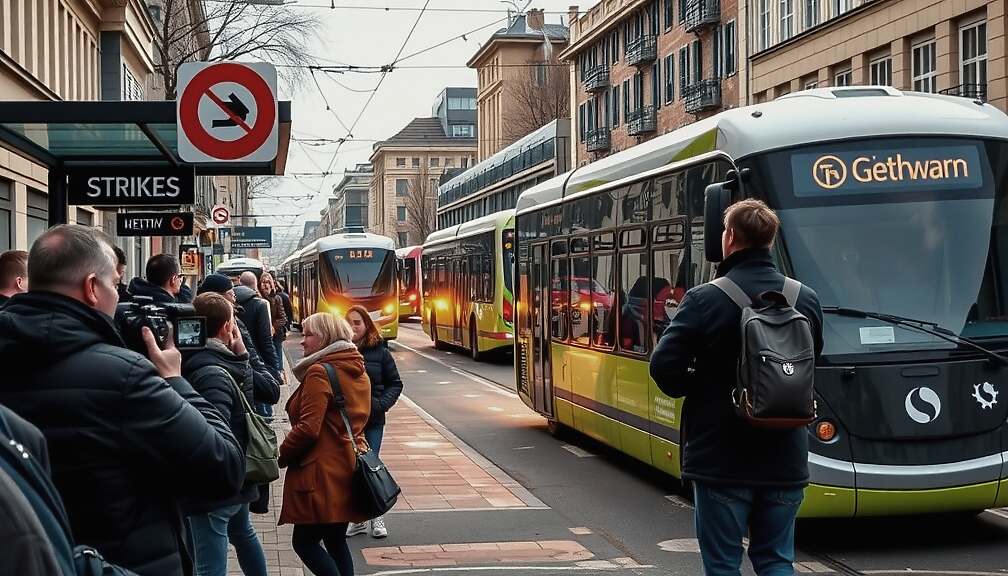
Germany’s federal government has chosen not to comment on the nationwide public‑transport strike that is causing significant mobility restrictions across the country. A spokesperson for the Ministry of Labour explained that wage negotiations, and consequently the right to strike, are conducted by the social partners and are constitutionally protected from state intervention. “There is wage autonomy. We do not interfere, so we will not comment on this either” the official said in Berlin on Monday in response to a question from the dts news agency.
Chancellor Friedrich Merz, a member of the CDU, has repeatedly called for increased overall work in Germany. In contrast, the trade union Verdi is demanding shorter weekly work hours and reduced shift lengths in the current wage talks.
Deputy government spokesperson Steffen Meyer, however, does not see a direct link. “In the discussion we are having, it is about ultimately raising the overall workload in Germany. That applies in general, but it is entirely independent of respecting the daily contributions that workers make”.


Germany’s federal government has chosen not to comment on the nationwide public‑transport strike that is causing significant mobility restrictions across the country. A spokesperson for the Ministry of Labour explained that wage negotiations, and consequently the right to strike, are conducted by the social partners and are constitutionally protected from state intervention. “There is wage autonomy. We do not interfere, so we will not comment on this either” the official said in Berlin on Monday in response to a question from the dts news agency.
Chancellor Friedrich Merz, a member of the CDU, has repeatedly called for increased overall work in Germany. In contrast, the trade union Verdi is demanding shorter weekly work hours and reduced shift lengths in the current wage talks.
Deputy government spokesperson Steffen Meyer, however, does not see a direct link. “In the discussion we are having, it is about ultimately raising the overall workload in Germany. That applies in general, but it is entirely independent of respecting the daily contributions that workers make”.
Tags:
AutonomyCitingCommentDeclinesGermanGovernmentNationwidePublic‑TransportRightsStrikeTariffRelated
German Operators Turn to French Nuclear Cross‑Border Redispatch,
German Hospitality Revenue Declines 3.9% in January 2026, Despite
German Government Calls for Patience as War‑Driven Energy
Karlsruher SC Clinches 3‑1 Victory Over Greuther Fürth
German Transport Ministry to Scrutinise EU Court Ruling
German Ministry Workers Warn Asylum‑Refusal Policy Is Legally
German Left Party Aims to Sanction Israeli Settlements,
German Minister Reboots “Living Democracy” Program, Axes 200
Verdi Union Celebrates Successful One‑Day dpa Strike, Demand
Unheilig Hits No.1 in German Charts with “Liebe