Germany’s Hospitality Sector Shows Mixed Signals
Preliminary data released Thursday by the Federal Statistical Office (Destatis) reveals a nuanced and potentially concerning picture of Germany’s hospitality sector in October 2025.. While overall turnover demonstrated a modest increase compared to September, deeper analysis highlights underlying vulnerabilities and raises questions about the sustainability of the recovery.
The sector recorded a real increase of 2.2 percent and a nominal increase of 2.1 percent in October compared to the preceding month. However, when viewed against the same period last year, the picture shifts dramatically. Real turnover experienced a decrease of 0.9 percent, a worrying sign suggesting the sector remains below pre-existing performance levels. The nominal increase of 2.4 percent, while seemingly positive, is largely attributed to inflationary pressures rather than genuine consumer demand.
A revised assessment of September’s performance further underscores this instability. The initial estimate of a 1.7 percent real turnover decline versus August was itself an underestimate, with the final figure now confirmed at a steeper 1.7 percent drop. This upward revision reinforces concerns about the volatility impacting the hospitality industry.
The divergence in performance between accommodation and gastronomy is particularly noteworthy. Hotels and other lodging businesses enjoyed a robust increase in turnover – 6.3 percent in real terms and 5.1 percent nominally – compared to September and a healthy 1.5 percent increase in real terms compared to October 2024. This suggests a potential shift in consumer preferences towards accommodation, possibly fueled by leisure travel or business-related stays.
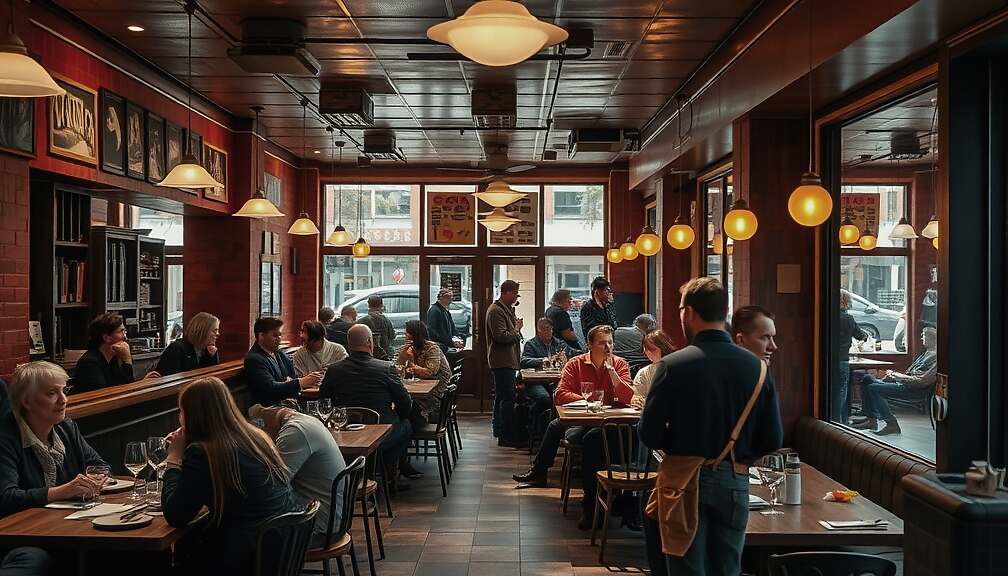
Conversely, the gastronomy segment painted a less optimistic picture. While showing a marginal increase of 0.2 percent in real terms compared to September, the sector recorded a significant real decline of 2.3 percent compared to October 2024. This downturn signals persistent challenges for restaurants and bars, potentially stemming from factors like rising operational costs, changing consumer spending habits and lingering economic anxieties.
Analysts suggest the sector’s complex recovery trajectory demands closer scrutiny. The nominal increase in turnover, masking underlying real declines, risks obscuring the fragile nature of consumer confidence and the potential for renewed downturns. Government policy regarding inflation, support for small businesses in the gastronomy sector and incentives for domestic tourism all warrant re-evaluation to ensure a more equitable and sustainable revival for Germany’s vital hospitality industry. Further investigation is needed to understand the drivers behind the diverging performance of accommodation and gastronomy and to proactively address the vulnerabilities hindering the sector’s full recovery.