Navigational Shift: German-Indian Deal Signals Strategic Realignment and Economic Ambitions
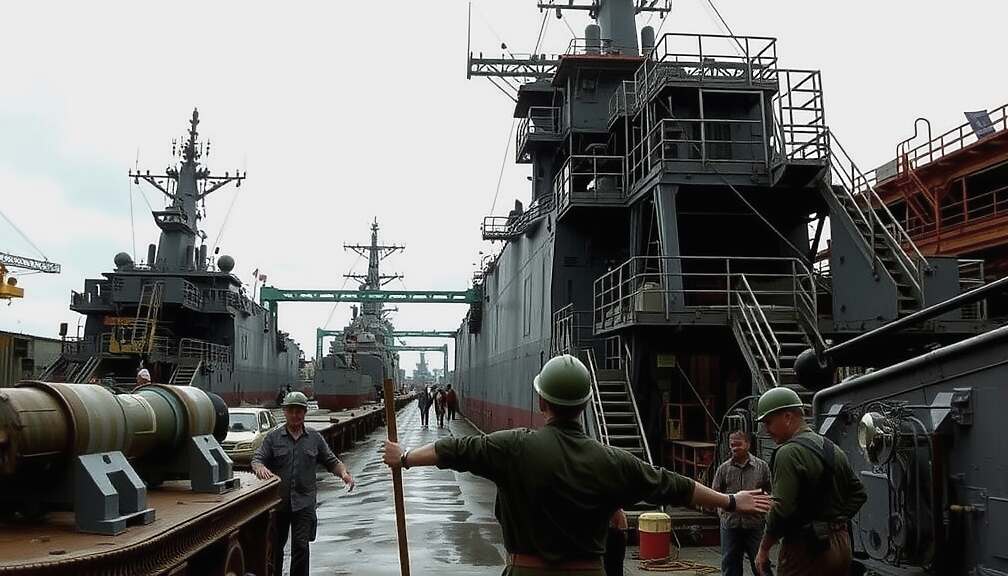
Years of protracted negotiations appear to be nearing a crucial conclusion as German defense giant Thyssen-Krupp Marine Systems (TKMS) prepares to secure a significant contract to supply India’s navy with six advanced submarines. According to sources cited by the Handelsblatt, the agreement, representing a multi-billion euro investment, is expected to be finalized shortly, underpinned by a formal governmental framework.
The political dimension is substantial. Indian officials are reportedly seeking assurances within the framework agreement to guarantee the continued and unrestricted supply of spare parts, a recurring concern in previous defense collaborations. This prioritization highlights India’s increasing desire for greater autonomy in its defense procurement and maintenance capabilities, reducing dependence on potentially fluctuating geopolitical dynamics. Chancellor Friedrich Merz’s upcoming visit to India, beginning with a formal reception by Prime Minister Narendra Modi in Ahmedabad, is anticipated to provide a platform to finalize the details and solidify the partnership. The visit, accompanied by a substantial delegation of twelve German companies, underscores the burgeoning economic and strategic relationship between the two nations.
Beyond defense, the growing partnership extends to the energy sector. German energy firm Uniper is poised to announce a deal securing the purchase of green ammonia from India. While specific details remain forthcoming, this venture signifies Germany’s push towards diversifying energy sourcing and fulfilling its ambitious decarbonization targets, while simultaneously providing a significant boost to India’s expanding green ammonia production capabilities.
Critics are already scrutinizing the potential implications of the deal. Some security analysts express concern over the potential strategic implications of Germany’s increased military presence in the Indian Ocean region, particularly given the ongoing tensions in the Indo-Pacific. Questions are also being raised regarding the transparency of the procurement process and the potential impact on other submarine manufacturers vying for contracts. The swift progression of these negotiations, coupled with the formalized governmental support, suggests a calculated maneuver to strengthen both nations’ positions on the global stage, though it also warrants careful observation regarding long-term ramifications and strategic dependencies.