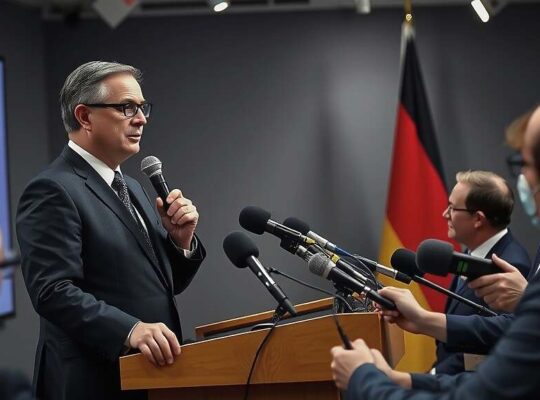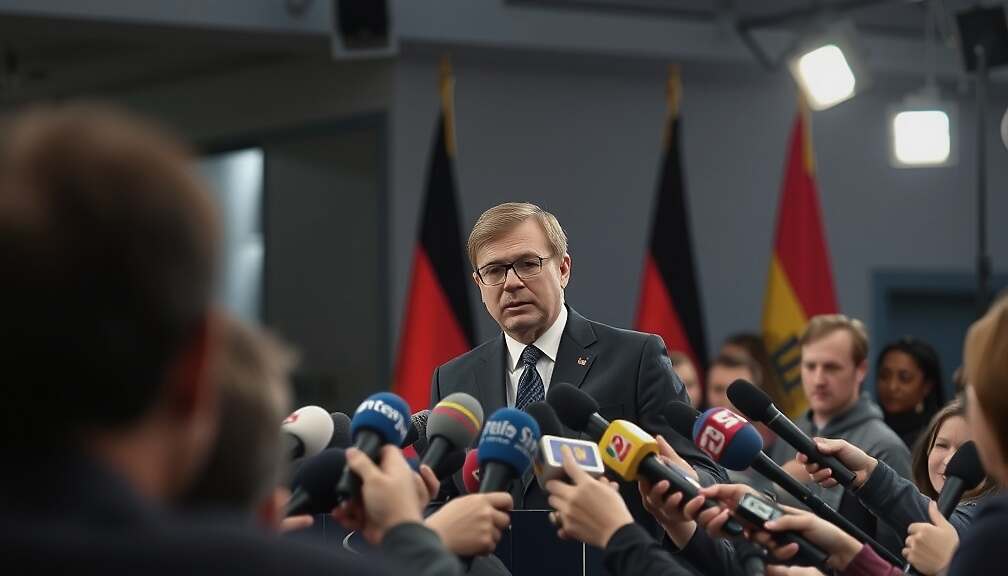
After the fatal assault on a train porter, Interior Minister Alexander Dobrindt of the CSU called for a clear tightening of criminal safeguards for employees of service companies such as the rail network. Speaking on Wednesday, he said the legal framework must be broadened and the minimum sentences for attacks raised. “We need decisive consequences for the growing violence against public‑sector workers and other service providers, including railway staff” Dobrindt added. He expects the perpetrator to be punished with the full harshness of the law for his brutal act.
Transport Minister Patrick Schnieder of the CDU also demanded retribution. He stressed that more must be done jointly to protect staff and that trains and stations must be safe. “All levels of government are now called upon to curb the escalating readiness for violence” he told reporters. When asked by the dts news agency what specific measures he had in mind, a Schnieder spokesperson was evasive. He noted that “this violence and dehumanisation have already been present in society for some time”. It is therefore a societal task, and of course in our case because the railways fall under our responsibility. Ultimately all sectors, levels, and ministries must work together.
The Railway and Transport Union (EVG) also demanded action. An EVG spokesperson quoted in the “Neue Osnabrücker Zeitung” said that disrespect has risen sharply. Railway employees work so that others can reach their families, jobs, or holidays safely, and in return they are spit on, insulted, and now even killed. “What happened is rare, but severe attacks are not isolated incidents” the union added. The number of assaults on train porters has been increasing steadily in recent years. The union sees a key problem in staff shortages, especially in regional services. It calls for a return to dual staffing for train attendant duties: “Commuter transport is part of the public supply. It concerns safety for personnel and passengers alike. It is incomprehensible that politics believe cost‑cutting is possible in this area”.