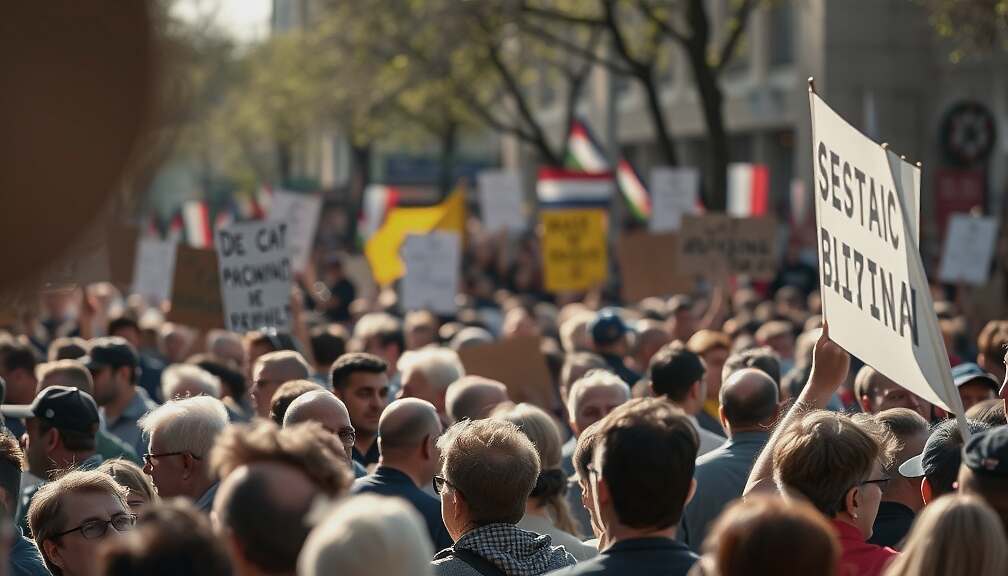
The Central Council of Jews in Germany is intensifying pressure on the German government to adopt a more assertive stance against the Iranian regime and actively support ongoing protests. Josef Schuster, president of the Central Council, has publicly urged Berlin to abandon its cautious diplomatic approach, arguing that inaction risks emboldening the current theocratic leadership and betraying the Iranian people’s struggle for freedom.
Schuster, in remarks published Friday, stated that “Germany must definitively abandon its diplomatic restraint in this historic hour”. He further contended that a period of observation is “out of place” demanding instead “decisive action and civic courage”. He explicitly called on the government to unequivocally align itself with both the Iranian population and the Iranian diaspora living in Germany, who he characterized as risking their lives for years to fight for liberty.
The Central Council’s call reflects a growing divergence in opinion regarding Germany’s response to the escalating unrest within Iran. While protesters bravely demand the overthrow of the current ruling clergy and the dismantling of its oppressive state apparatus, demonstrators are facing brutal suppression. Schuster highlighted the regime’s decades-long track record of internal repression, particularly targeting women, accusing the Iranian leadership of being “among the most dangerous financiers of terrorism” on a global scale.
The criticism comes as German government officials maintain a comparatively restrained position. A government spokesperson recently issued a statement urging Iran to refrain from violence against protesters, a response critics, including Schuster, see as insufficient. While acknowledging the gravity of the situation, the government’s reluctance to offer more robust support raises questions about the extent to which Berlin is willing to publicly challenge a regime it maintains a complex economic and political relationship with and the potential implications of openly confronting a powerful state actor.
The demand for the “Mullah regime” to fall underscores the deep-seated dissatisfaction within Iran and represents a significant challenge to the nation’s established power structures, prompting intense scrutiny of Berlin’s foreign policy and its commitment to human rights.