Germany’s political landscape has prompted a period of introspection amongst key figures within the ruling Social Democratic Party (SPD), as the year draws to a close. Finance Minister Lars Klingbeil, in a recent interview with Watson, reflected on 2025, emphasizing the necessity for renewed dialogue and tolerance for divergent viewpoints amidst ongoing economic and social anxieties. Klingbeil’s remarks suggest a recognition that the polarization of political discourse has intensified, hindering effective policy implementation and fostering societal division.
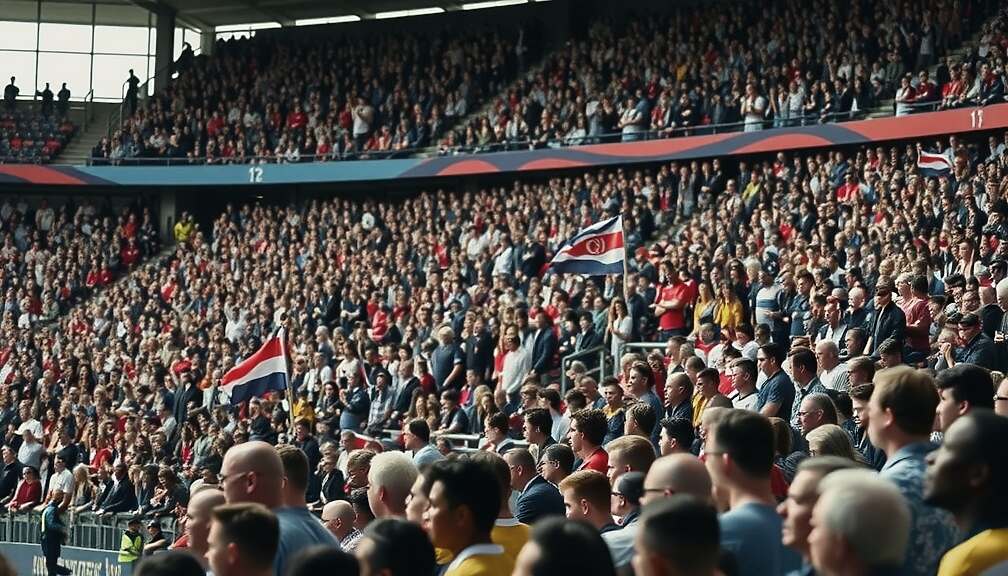
Looking ahead to 2026, Klingbeil expressed hope that governmental initiatives will translate into tangible improvements for citizens, inspiring renewed confidence and a sense of national unity. His unconventional reliance on the forthcoming men’s World Cup as a potential catalyst for shared experience – anticipating widespread “campfire moments” during public viewings – highlights a strategic attempt to connect with the populace beyond traditional political channels, a reflection of a perceived disconnect.
Bundeslabor Minister Bärbel Bas echoed a similar sentiment regarding the practicalities of governance. She acknowledged the considerable effort and expertise invested by civil servants in drafting legislation, underscoring the complexities often overlooked in public perception. Her optimism for the coming year centered on societal progress through “political initiatives that make us as a society fairer and more solidarity-driven” signalling a focus on social justice reform as a core priority.
Perhaps the most candid assessment came from SPD General Secretary Tim Klüssendorf, who acknowledged the yearning for a more comprehensive and optimistic vision for Germany’s future. He identified a deficiency in the party’s communication, suggesting that individual policy successes alone are insufficient to address the broader anxieties motivating many voters. Klüssendorf’s stated commitment to prioritizing the development of a new SPD foundational program underscores an internal recognition that the party needs to articulate a more compelling and forward-looking narrative to regain public trust and address the pervasive sense of uncertainty currently shaping the political mood. This initiative, if successful, will likely be viewed as a crucial attempt to re-establish a stronger ideological grounding for the party amidst a period of considerable political flux.