Minister’s Comments Spark Debate on Meat Consumption and Rising Food Costs
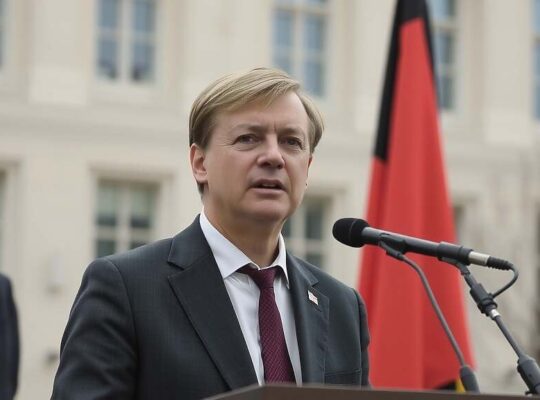
A recent statement by German Agriculture Minister Alois Rainer has ignited a national discussion surrounding meat consumption, food affordability and the role of government intervention. Rainer, of the Christian Social Union (CSU), candidly admitted in an interview with the “Rheinische Post” that he struggles to envision a life without meat, a declaration that has drawn criticism from animal welfare advocates and those championing sustainable dietary shifts.
While Rainer emphasized his adherence to traditional religious observances like Ash Wednesday and Good Friday fasting, his overall stance appears to reflect a broader political reluctance to actively promote reduced meat intake, despite mounting environmental concerns linked to livestock farming.
The timing of the comments is particularly sensitive, as Germany grapples with soaring food prices. Rainer acknowledged that food costs have risen by over 30% since 2020, with meat prices seeing a disproportionate increase. His remarks regarding the steadily rising price of Döner kebab – where he defended the expense based on perceived quality – were met with skepticism, especially given the economic pressures impacting low-income households.
Rainer explicitly opposed government measures, such as increased Value Added Tax (VAT), that would artificially inflate meat prices. This position highlights a potential conflict between the government’s responsibility to address consumer concerns over affordability and the political imperative to support the agricultural sector, a significant constituency within the CSU’s base. Critics argue that shielding meat from further price increases risks exacerbating existing inequalities and hindering the transition to more sustainable and affordable food systems.
The minister’s seemingly paradoxical stance – acknowledging the need for price sensitivity while implicitly defending a diet including substantial meat consumption – underlines the complexities of navigating food policy in a context of rising costs, environmental anxieties and competing political interests. The debate is likely to continue, placing pressure on the government to define a clearer and potentially more nuanced approach to food security and sustainable agriculture.