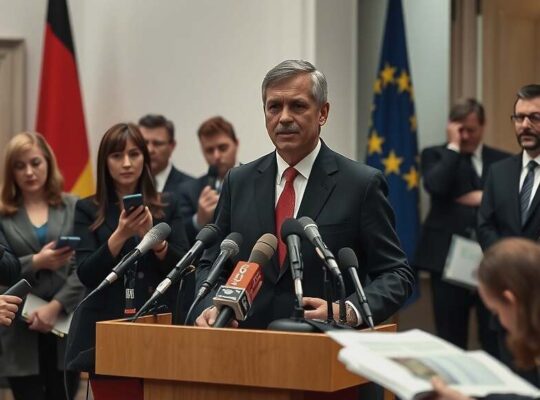
A probe is underway within the German armed forces, the Bundeswehr, concerning a missing officer cadet suspected of desertion and potential involvement in combat operations within Ukraine. The incident, reported by “Der Spiegel”, raises serious questions about personnel vetting, operational security and the potential for ideological motivations driving soldiers to defy their duty.
The officer candidate, in his mid-thirties, was last enrolled at the Bundeswehr University in Munich and was slated for transfer to an air force training battalion in early November. Following his failure to report for assignment, his relatives filed a missing person report. Subsequently, Polish authorities notified German counterparts that the individual had crossed the Polish-Ukrainian border during the first week of November. Despite no immediate cause for concern, Polish border officials noted that he was in possession of personal protective equipment including a military uniform and body armor.
The Bundeswehr now suspects the individual intended to join the Ukrainian army and participate in hostilities. The potential for a German soldier to abandon his post to fight in a foreign conflict carries significant political ramifications, particularly given Germany’s stated policy of neutrality regarding direct military intervention in the Russia-Ukraine war.
The Ministry of Defense has adopted a deliberately opaque stance, refusing to either confirm or deny details of the case, citing a general refusal to comment on disciplinary measures or internal investigations involving Bundeswehr personnel. This lack of transparency is already drawing criticism from opposition politicians who argue that the public has a right to understand the circumstances surrounding such a sensitive incident.
Desertion within the Bundeswehr carries substantial penalties, including potential imprisonment of up to five years. However, the broader implications of this case extend beyond individual culpability; they highlight potential vulnerabilities within the armed forces’ oversight mechanisms and prompt renewed scrutiny of the motivations and ideological alignment of its personnel. The incident is likely to trigger a review of recruitment and screening processes, specifically investigating how an individual with apparent aspirations for combat in Ukraine was allowed to progress so far within the Bundeswehr’s training pipeline.