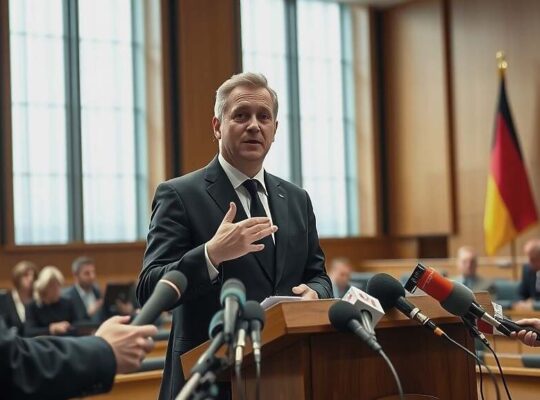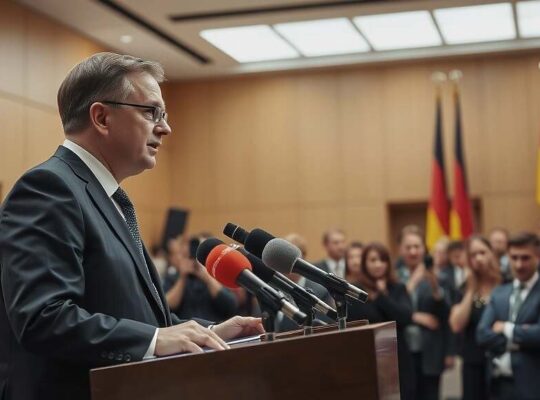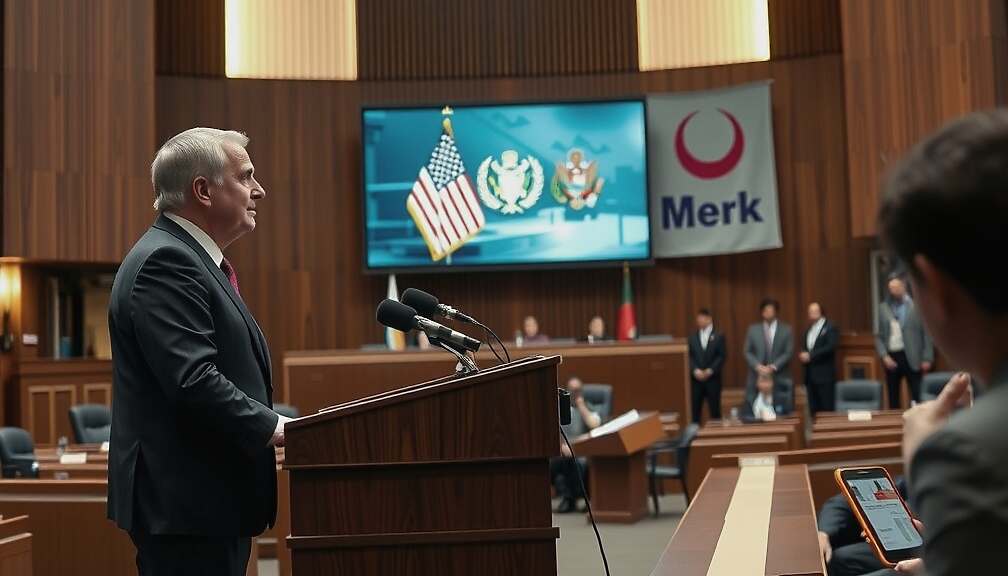
The opposition in the Bundestag has urged Chancellor Friedrich Merz (CDU) to rethink his policy toward the United States, but the parties are divided over how Germany should confront President Donald Trump.
AfD chair Alice Weidel told the FAZ that disputes among allies should be handled “internally” and that public reproaches are largely unhelpful. In contrast, the Greens’ foreign‑policy spokesperson Deborah Düring praised Merz for finally realizing that Germany needs to speak with “clear words” to Trump, and said this should lead to a “new transatlantic strategy”.
Both politicians were referring to Merz’s remarks made at the FAZ congress last Friday. There he blasted Trump for not consulting him about German aid in the Iran conflict beforehand, claiming the president only discussed it “after the newspapers”. Merz said he would not tolerate that approach again.
Trump, over the weekend, criticized Merz at a business forum in Miami that discussed Iran. Trump said the German chancellor had declared, “This is not our war; we have nothing to do with it” and complained that NATO partners were not being adequately supported, noting, “Ukraine is not our war, but we have helped them”.
Sören Pellmann, leader of the SPD faction, called Merz’s comment at the FAZ congress “irritating” and wondered whether Merz was implying that if he had been asked by Trump in advance, he would have now deployed German troops into the turmoil in the Strait of Hormuz.
Merz received support from a coalition partner. Deputy SPD faction chair Siemtje Möller said in the FAZ that it was “absolutely right” for Germany to make its position clear. She, however, criticized Merz’s earlier foreign‑policy approach, stating that the strategy of flattering Trump “in the hope of special treatment” evidently failed.