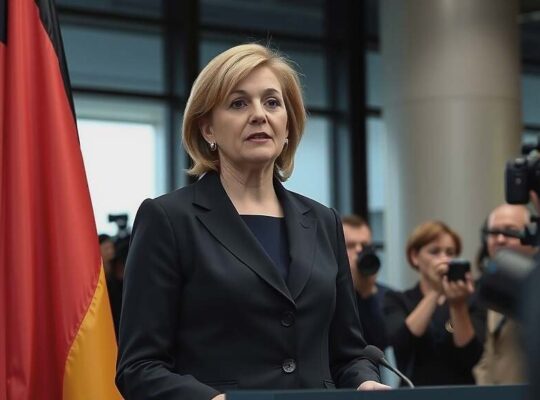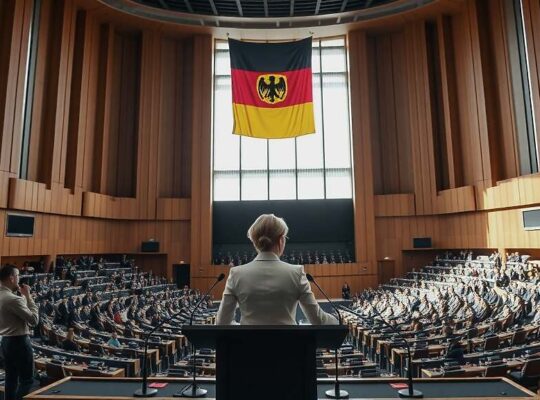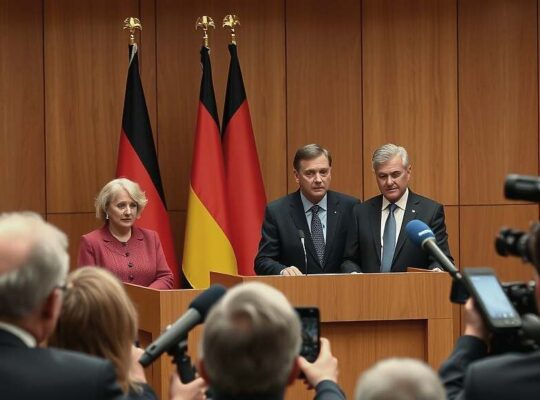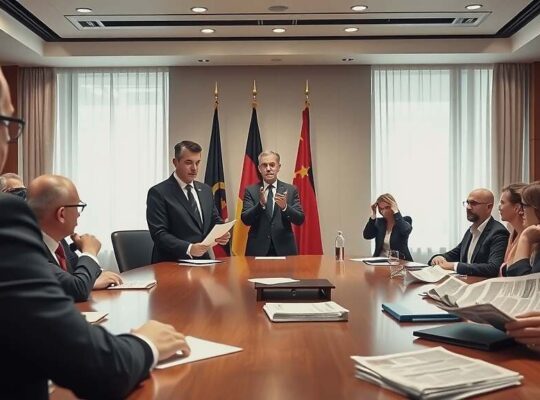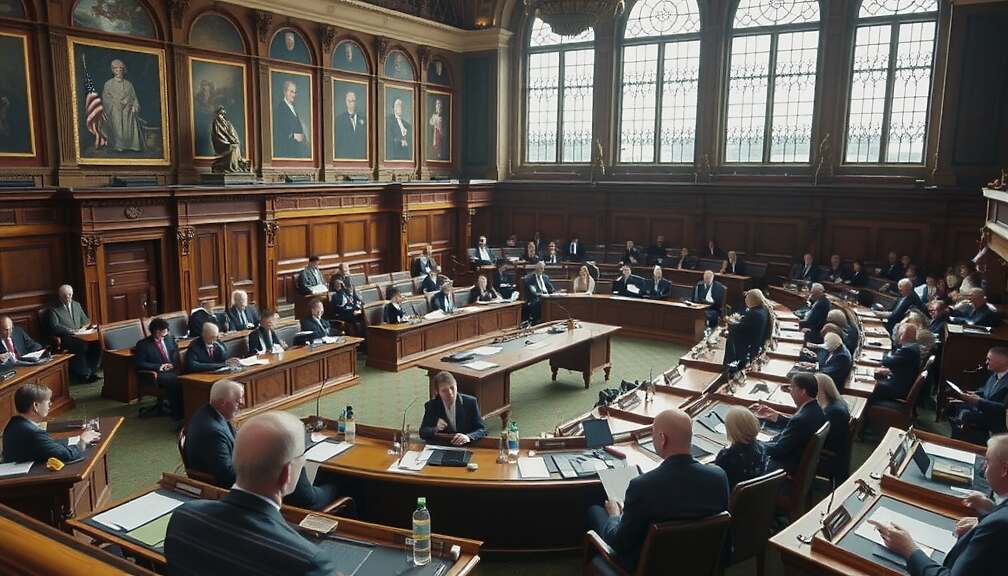
The President of the German Bundestag, Julia Klöckner (CDU), has issued a stark warning and a call to action for parliamentarians, demanding immediate legislative measures to bolster the security of the Bundestag. Her plea highlights critical gaps in existing protections and raises uncomfortable questions about the balance between accessibility and safety within Germany’s most visited parliament.
Klöckner’s primary concern centers on the severely limited access to crucial intelligence information. She revealed a baffling regulatory vacuum that currently prevents her security staff from accessing pertinent intelligence regarding individuals, a deficiency she deemed “absurd”. This inability to proactively assess potential threats, she argues, puts the entire institution at risk, given the enormous volume of visitors, personnel and parliamentarians routinely present.
Adding to the concern is the absence of a dedicated Bundestag Police Act. With over two million visitors annually, Klöckner contends that the lack of legal framework hinders the Bundestag police’s ability to receive vital intelligence regarding individuals designated as potential threat actors or those with a history of actions deemed subversive. This deficiency allows individuals flagged as potential security risks to potentially move freely within the parliamentary complex.
Further highlighting what she described as a “clearly obvious contradiction” Klöckner proposed a radical shift in personnel policy. Currently, individuals denied access to the Bundestag following security checks can still be employed by individual Members of Parliament, funded by public money. Klöckner fiercely criticized this practice, arguing that it effectively “finances arsonists” while attempting to quell the very threat they pose. She has formally requested amendments to the Parliamentary Act forbidding the employment of such individuals by MPs.
Beyond personnel security, Klöckner has also flagged the escalating concern of drone interference. While cautioning against unnecessary alarm, she emphasized the need for a clear legal framework that would allow the Federal Police to respond decisively to potential drone-related incidents targeting Bundestag property. Establishing a rapid response protocol is paramount, preventing what she termed a reactive crisis management approach in the event of unauthorized drone activity.
Klöckner’s push for increased security protocols reveals a growing recognition of vulnerabilities within the German parliamentary system, moving beyond symbolic gestures towards substantive legislative action. However, the proposals are likely to spark debate, particularly concerning the potential impact on parliamentary transparency and freedom of access, forces which also underpin the legitimacy and democratic function of the Bundestag itself. The calls also raise questions about the proportionality of measures against potential risks and whether they unduly constrain fundamental rights.