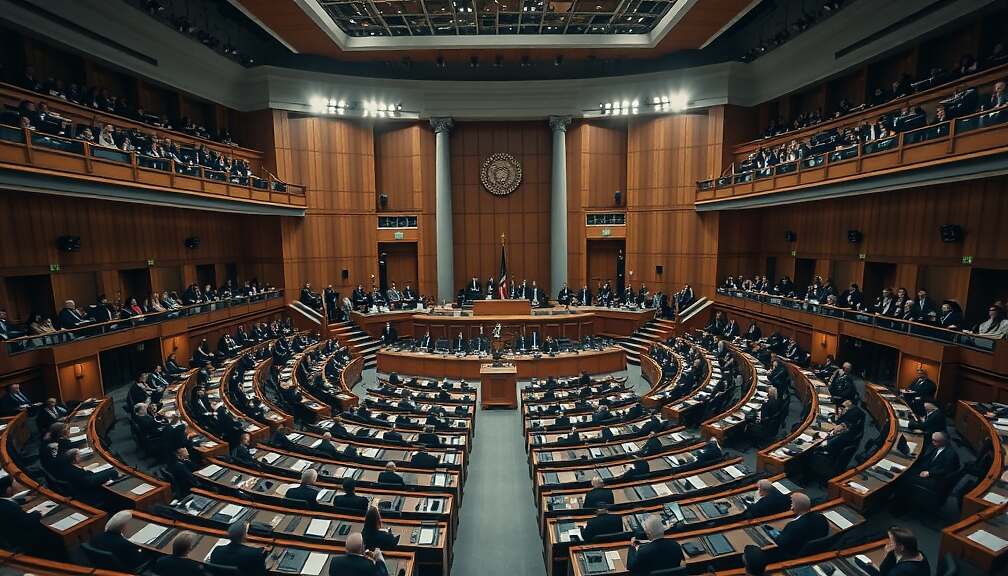
The German Bundestag has approved a controversial austerity package aimed at reforming statutory health insurance (GKV). The legislative package, known as the GKV Contribution Rate Stabilization Act, passed on Friday with 319 representatives voting in favor, against 286, and four abstentions.
Key provisions of the package significantly impact patients. Specifically, patients will now face higher co-payments for prescribed medications. The cost is set to increase from a minimum of five to a maximum of ten euros to a revised range of 7.50 to 15 euros. Furthermore, treatments provided by homeopathy will no longer be supported by insurance funds, and the optional skin cancer screening, which can be performed every two years without symptoms, will be discontinued. Some existing free benefits remain intact, including the inclusion of children, partners of parents with children under seven, nursing relatives, and retirees. However, for other spouses previously covered without a contribution, a separate contribution of 3.5 percent is planned starting in 2028.
The measures also affect clinics, physicians, and the pharmaceutical industry. A clause that allowed for higher reimbursement increases at hospitals is being removed. Doctors in private practices will no longer receive payments outside of general fee budgets for certain services. Pharmaceutical manufacturers must anticipate increased trading through more favorable discount contracts. While a discount for pharmacies is being increased, a promised hike in the fixed rate for pharmacies has been dropped.
The proposal drew intense criticism from physicians, clinics, and the opposition. These critics argue that the package threatens patient care, warning specifically of accelerated closures of clinics and the emigration of specialists from the healthcare sector.