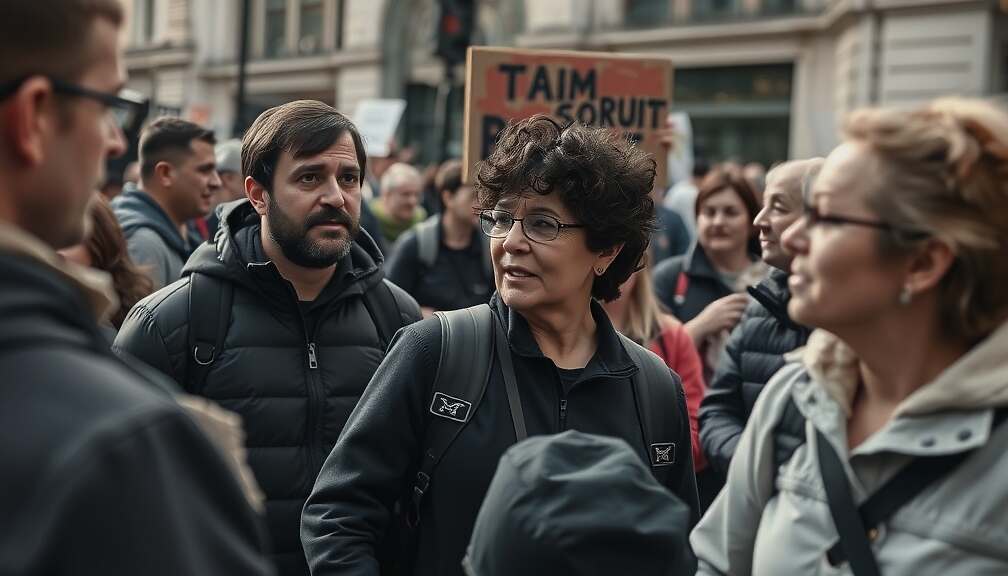
The ongoing protests against the Iranian regime are intensifying calls from opposition parties within Germany for a more robust response from the federal government. Left Party (Die Linke) co-leader Ines Schwerdtner, in a statement to “Tagesspiegel”, characterized the groundswell of dissent as a significant weakening of the regime’s authority, holding the potential to usher in meaningful change for oppressed Iranians.
Schwerdtner is advocating for “targeted sanctions against those responsible within the government, intelligence services and military” arguing that such measures would exert further pressure. Critically, she emphasizes the immediate implementation of a nationwide deportation ban, citing the Iranian regime’s documented history of human rights abuses. “Iran is not a safe country for women, LGBTQ+ individuals and opposition figures. Deportations can mean detention, torture and execution for those seeking protection” she asserted.
The Green Party has echoed Schwerdtner’s demands. Green Party foreign policy spokesperson Luise Amtsberg insists a nationwide moratorium on deportations to Iran is urgently needed, coupling it with calls for the consideration of humanitarian pathways to Germany for Iranians facing political persecution due to their involvement in protests or advocacy for human rights and freedom. Amtsberg directly challenged Interior Minister Alexander Dobrindt of the CSU, urging him to abandon his reported reluctance and demonstrate solidarity with the Iranian diaspora in Germany and with Iranian civil society.
However, the calls for a deportation ban have been met with immediate and forceful opposition from within the conservative Union bloc. CDU/CSU parliamentary group’s foreign policy spokesperson, Jürgen Hardt, dismissed the proposed measures as misguided, contending that the situation has, in fact, become more precarious “for” the regime, not for the Iranian population. Hardt argued that there’s no new justification to prevent the deportation of Iranians with criminal records in Germany. This divergence in perspective highlights a growing political rift regarding Germany’s approach to the Iranian crisis, with significant implications for asylum policy and the government’s overall stance on human rights intervention. The debate underscores the complex considerations surrounding the balancing of security concerns, legal obligations and humanitarian responsibility in the context of a volatile international situation.