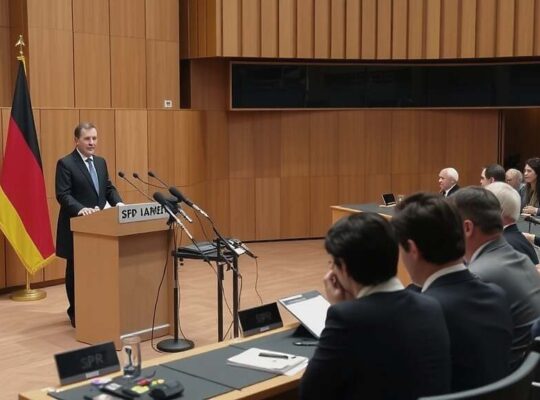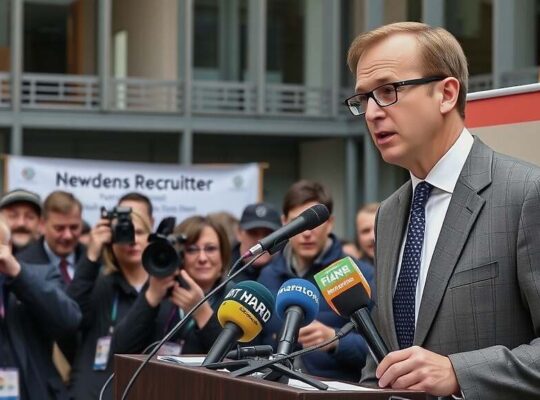
Deep divisions are emerging within Germany’s political landscape regarding potential German military involvement in Ukraine, sparking a critical debate about the nation’s role in the ongoing conflict and the risks of escalation. Concerns are being voiced primarily from within the Social Democratic Party (SPD) and the Left Party, directly challenging recent suggestions from Chancellor Friedrich Merz of the Christian Democratic Union (CDU).
Ralf Stegner, a prominent SPD foreign policy figure, expressed serious skepticism about the feasibility and advisability of deploying German troops to Ukraine, suggesting it’s highly unlikely the Bundestag would approve such a mandate. He emphasized the significant and justifiable reservations surrounding such an action, highlighting a deep-rooted reluctance within the German public. Stegner further questioned the prospect of Russia agreeing to any security arrangement involving a NATO peacekeeping force, advocating instead for a more multilateral approach. He urged the German government to prioritize diplomatic solutions involving key global players such as China and India.
Jan van Aken, the Left Party’s chairman, echoed these warnings, characterizing the deployment of German soldiers as “extremely dangerous”. His assessment bluntly stated that any Russian military response would likely trigger a conflict and he firmly asserted that his party would vehemently oppose any mandate authorizing NATO soldiers to engage in combat against Russia.
The disagreement follows Chancellor Merz’s announcement, made after a meeting of the “Coalition of the Willing” in Paris, regarding Germany’s potential military contribution post-ceasefire. Merz proposed stationing forces in neighboring NATO countries, potentially including Poland, to safeguard a truce in Ukraine. While he refrained from ruling out future direct Bundeswehr involvement within Ukraine itself, his comments have ignited a firestorm within the German parliament and raised complex questions about the nation’s strategic posture.
The diverging viewpoints underscore a fundamental debate about Germany’s responsibility in the conflict, the potential consequences of direct military engagement and the acceptable limits of its involvement. While Merz’s suggestion aims to demonstrate solidarity and offers a potential pathway for future support, critics warn it risks dragging Germany into a wider and more dangerous conflict, defying long-held principles of cautious foreign policy and potentially fracturing the fragile parliamentary consensus. The coming weeks are likely to witness intensifying political maneuvering as lawmakers grapple with the repercussions of these evolving proposals.