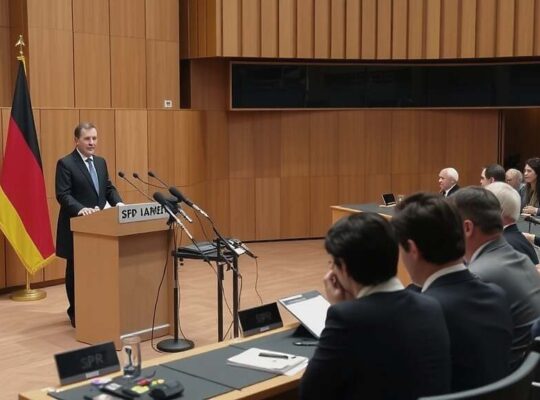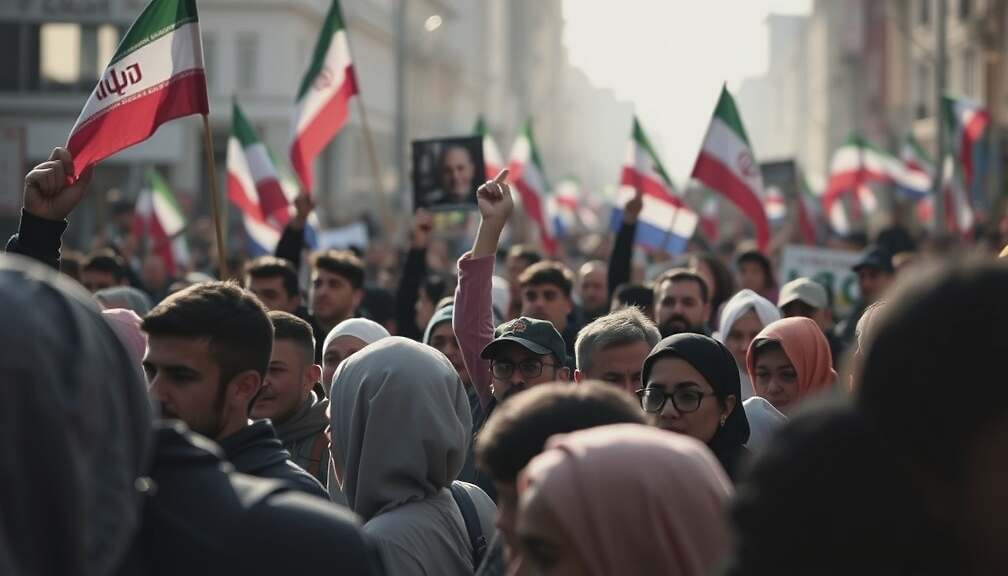
The German government is facing mounting pressure to intensify its support for Iranian protesters and demonstrate greater solidarity with the burgeoning diaspora community, spearheaded by calls from Green Party Bundestag Vice-President Omid Nouripour. Nouripour’s critique, published in the weekly newspaper “Die Tageszeitung”, directly challenges Chancellor Scholz’s administration to adopt a more proactive stance on the unfolding crisis.
Specifically, Nouripour questioned the government’s reluctance to host Iranian activists advocating for human rights, drawing a stark comparison with French President Macron, who recently welcomed such figures to the Élysée Palace. “If the government acknowledges that this regime has lost its legitimacy, what prevents them from meeting with women’s rights advocates?” he asked, highlighting a perceived double standard in diplomatic engagement. He further emphasized the presence within Germany of numerous prominent artists, filmmakers and cultural figures who have fled Iran, including award-winning directors and implored the government to utilize their presence to amplify the voices of those still facing oppression within the nation.
Beyond governmental action, Nouripour expressed disappointment regarding the limited engagement from the broader German civil society. He noted that demonstrations in support of Iranian protesters have been almost exclusively organized by the Iranian diaspora, lamenting the absence of a broader, more inclusive wave of solidarity representing the full spectrum of German democratic engagement. He urged German citizens and organizations to actively participate in demonstrating support and raising awareness.
The calls for increased action are particularly poignant given Nouripour’s personal connection to the situation. Born in Tehran, he immigrated to Frankfurt with his family as a teenager. His uncle, Hassan, a 17-year-old who distributed flyers, was executed by the Iranian regime – a tragic history that underscores his passionate advocacy. Nouripour, holding dual German and Iranian citizenship, highlighted the impossibility of relinquishing his Iranian passport, a constant reminder of the ongoing struggle for freedom and justice in his homeland.
Nouripour’s most recent demand focuses on implementing a nationwide moratorium on deportations of Iranian refugees, a measure aimed at ensuring protection and refuge for those fleeing persecution. This proposal adds further weight to the burgeoning debate surrounding Germany’s responsibility and role in supporting the Iranian people’s fight for democratic reforms and fundamental human rights. Critics argue that Germany’s current response is insufficient and that stronger political signaling, alongside practical measures like a deportation halt, are crucial to demonstrate unwavering solidarity.