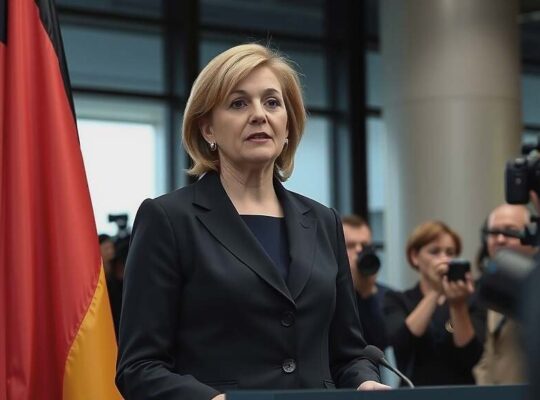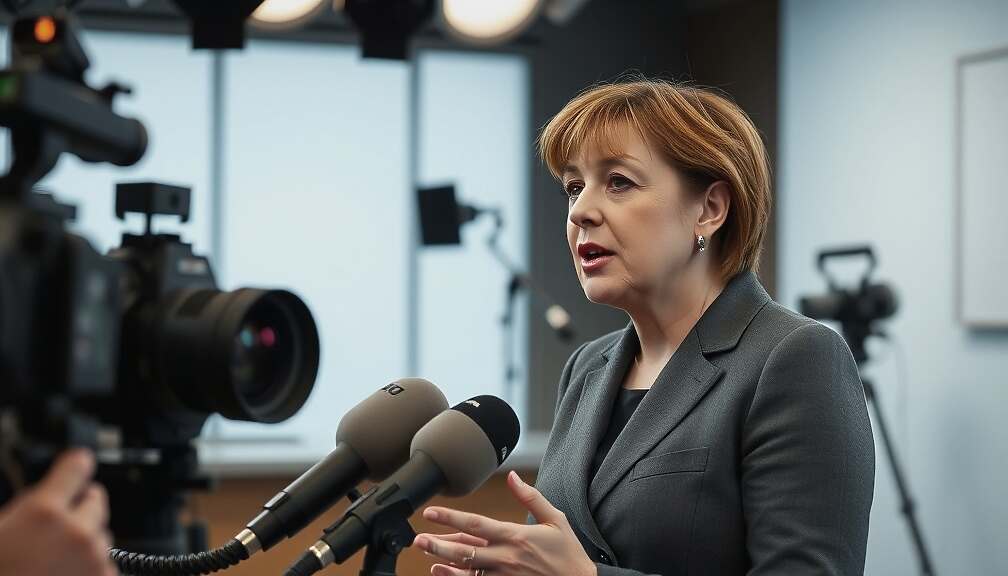
Heidi Reichinnek, chair of the Left party’s parliamentary group, has spoken out against a blanket ban on social‑media use for users under 16. In a Monday interview with the TV channel ntv, she said she is personally not a fan of imposing such a restriction. Reichinnek noted that young people are “very clever” and would easily find ways around a ban. She expressed reservations about technical age checks that require ID data because they would force users to disclose personal information. According to Reichinnek, the debate about a ban is too narrow; instead, the focus should broaden to address the power wielded by large platforms.
Regarding regulation, Reichinnek pointed to European directives such as the Digital Services Act. She stresses that it must be implemented sensibly, for example by imposing higher fines. She also argues for increased media literacy-not only for children and teenagers-but also for the broader public, as well as expanded youth work. While acknowledging that these measures require investment, she believes the funding should be part of the discussion.
In the Christian Democratic Union (CDU), the minimum age for access to open platforms remains an open topic. Parliamentary State Secretary Philipp Amthor, who serves in the federal Ministry for Digital Affairs, said that the party’s application commission had discussed the proposal and intends to forward it for further deliberation, citing an ongoing debate. He remarked that it is appropriate to frame the conversation within the scope of child and youth protection. Social media can serve as valuable democratic communication tools, but Amthor also acknowledged their potentially negative aspects.
Amthor cautions against premature decisions, noting that whether 16 is the “right age” is still undecided, and that different approaches are already in play at the EU level. He also highlighted technical obstacles: a simple “click‑here” verification does not resolve the underlying issues. The discussion, he argues, should revolve around child and youth protection rather than focusing first on censorship or restrictions of free speech.