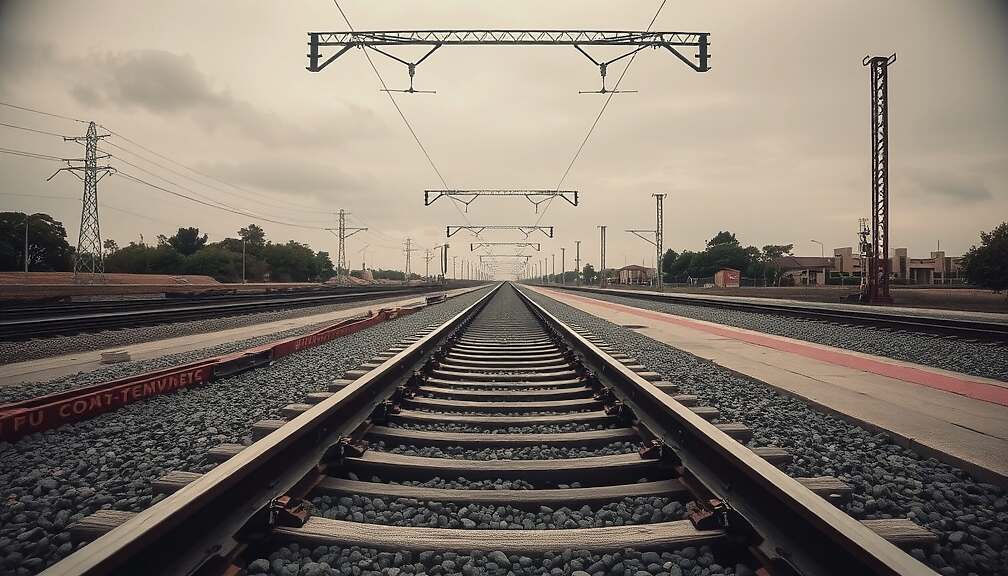
The German rail network, long plagued by persistent delays and widespread criticism, may see incremental improvements in punctuality as early as next year, according to Philipp Nagl, CEO of InfraGO, a subsidiary of Deutsche Bahn. Addressing concerns in an interview with “Der Spiegel”, Nagl highlighted ongoing renovation efforts along the Hamburg-Munich corridor, suggesting a recovery to punctuality levels exceeding 60% by mid-2026, potentially reaching over 70%.
This cautious optimism arrives against a backdrop of severe operational challenges. Recent performance figures have seen punctuality in the long-distance rail network plummet to below 40%, prompting federal transport minister Volker Wissing (FDP) to mandate a minimum 70% punctuality target by 2029 through his “Agenda for Satisfied Customers on the Rails”. However, Deutsche Bahn board member Evelyn Palla has cautioned against expecting rapid turnaround.
Nagl attributes the protracted crisis to decades of misprioritization within German infrastructure policy. He pointed to a significant divergence in investment priorities between road and rail development, arguing that while an “euphoric” highway construction boom occurred from the late 1960s onward, investment in high-speed rail only materialized later in the 1970s. This imbalance, he contends, has created a legacy of deferred maintenance and systemic underinvestment.
He further critiqued the actions of previous administrations, accusing them of prioritizing short-term cost-cutting measures over essential infrastructure upkeep. This, he asserts, has resulted in a critical loss of 10 to 15 years in addressing the network’s deteriorating condition. “Our predecessors indulged in a final round of exploitation and savings on the federal rail infrastructure” Nagl stated, highlighting the regrettable consequences of these fiscal decisions.
Beyond policy missteps, Nagl underscores the issue of inconsistent funding. “Railways are like pyramid building – a high culture” he explained, drawing parallels to enduring infrastructure projects requiring long-term commitment. He contrasted Germany’s fluctuating funding patterns, often subject to disruption following governmental transitions, with the stable, bipartisan commitment to rail network investment enjoyed by his native Austria, where consistent financing has been maintained since the early 1990s regardless of the ruling party. This lack of continuity, he suggests, has fundamentally undermined the resilience and long-term health of the German rail system and remains a key obstacle to sustainable improvement.