A widespread warning for black ice has been issued across Germany by the German Weather Service (DWD), prompting cautious calls from the federal government and school closures in some regions. The alert encompasses significant swathes of the country, including Niedersachsen, Nordrhein-Westfalen, Hessen, Rheinland-Pfalz, Saarland, Baden-Württemberg, Bayern, Thüringen, Sachsen-Anhalt and Sachsen.
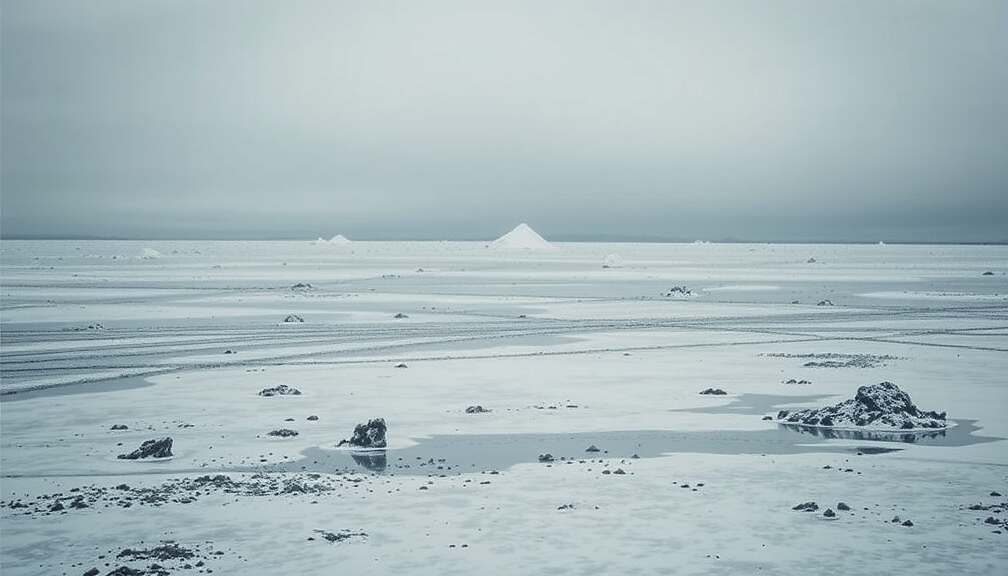
The DWD predicts a sharp transition from snowfall overnight into Monday, rapidly shifting to freezing rain. This precipitation is expected to create widespread black ice on already frozen ground, significantly disrupting transportation and potentially causing damage to infrastructure and vegetation. While a gradual warming trend is anticipated throughout the day, particularly from the west, the eastern and northeastern regions of Germany remain at risk, with particularly persistent conditions anticipated in southeastern Bavaria, adding uncertainty to the duration of the hazardous conditions.
Federal Minister for Transport, Patrick Schnieder of the CDU, has issued a renewed plea for vigilance to motorists and pedestrians, emphasizing that the dangers following Storm “Elli” remain. In an interview with Bild, he stated that the shift to thaw conditions combined with precipitation falling on frozen surfaces will continue to pose a considerable risk of perilous black ice throughout Monday and Tuesday. The government, he indicated, will be closely monitoring the situation.
The severity of the weather forecast has already prompted precautionary measures. Due to adverse weather predictions, in-person schooling has been cancelled on Monday in parts of Nordrhein-Westfalen and Niedersachsen. The decision highlights the escalating concerns surrounding the weather’s potential impact on public safety and the challenges faced in maintaining essential services. Critics are already questioning whether the government’s preparedness and response protocols are sufficient to manage the escalating frequency and intensity of extreme weather events across Germany, particularly given the ongoing debate around climate adaptation strategies and infrastructure resilience.