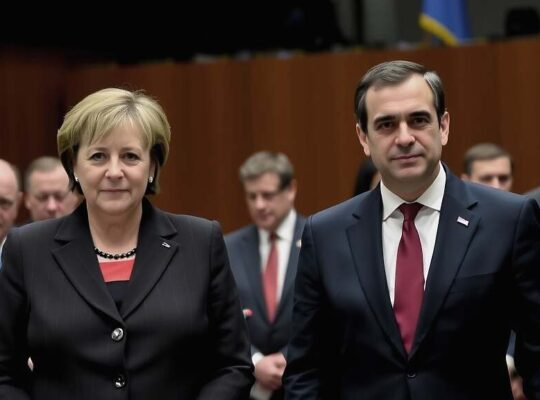
Following a series of consultations in Berlin regarding the ongoing conflict in Ukraine, German Vice-Chancellor and SPD leader Lars Klingbeil has adopted a measured stance on the potential deployment of German soldiers as part of a peacekeeping force, sparking debate over Berlin’s escalating involvement.
Speaking to the “Neue Osnabrücker Zeitung”, Klingbeil cautioned against premature action, stating, “We shouldn’t take the fifth step before the first, but rather conduct the debate when it is truly necessary”. He emphasized Germany’s unwavering commitment to supporting Ukraine, already the nation’s largest benefactor, while stopping short of endorsing immediate military intervention.
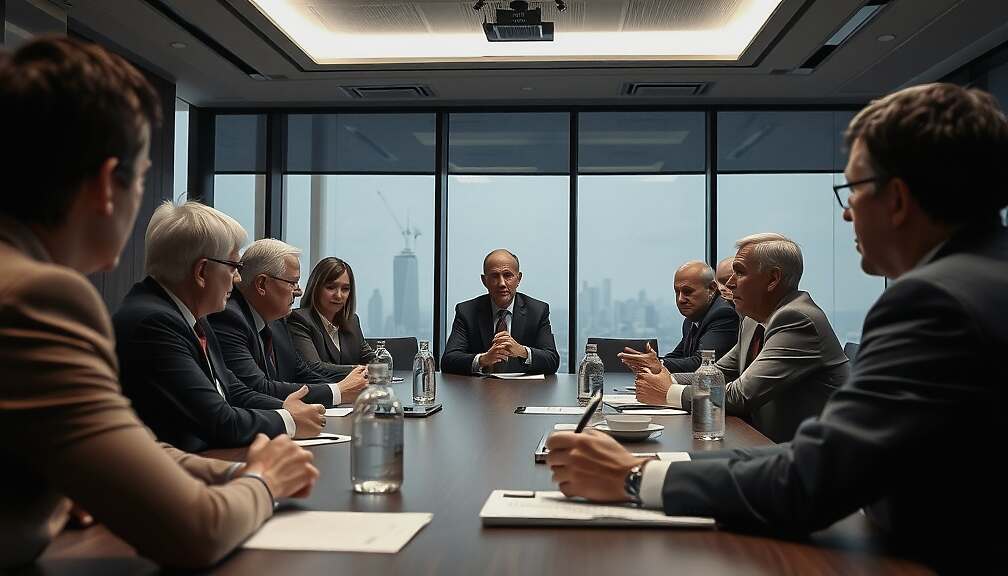
The Berlin discussions, involving European leaders, the United States and Ukrainian representatives, aimed to transmit a powerful signal to Putin, projecting a unified front in pursuit of a genuine and sustainable peace. Klingbeil, who also serves as Finance Minister, underscored the creation of a shared strategy, highlighting the commitment to a collaborative approach. Crucially, he stressed that future decisions cannot be imposed upon either Ukraine or European nations, signaling a shift towards greater inclusivity in the negotiation process.
However, the optimism surrounding the talks is tempered by deep skepticism regarding Putin’s willingness to engage in meaningful peace negotiations. Klingbeil directly addressed this concern, stating, “It is now up to him. He started this war and can end it immediately. He bears the responsibility for the daily loss of life”. He expressed serious doubts about Putin’s genuine desire for peace, accusing him of pursuing “great power fantasies” and continuing the conflict with “unfathomable brutality”. Despite these reservations, Klingbeil affirmed the necessity of pursuing any opportunity for dialogue.
The German Vice-Chancellor also voiced his support for a controversial proposal to utilize frozen Russian assets to finance aid to Ukraine, a measure slated for discussion at the upcoming EU summit in Brussels. Klingbeil argued that securing Ukraine’s financial stability over the long term is paramount and that there is a widespread European desire to leverage frozen Russian funds. He explicitly linked this proposal to the concept of reparations, asserting, “Russia, as the aggressor, must pay reparations and assume financial responsibility”. This position suggests a move towards holding Putin and the Russian state directly accountable for the devastation caused by the conflict.