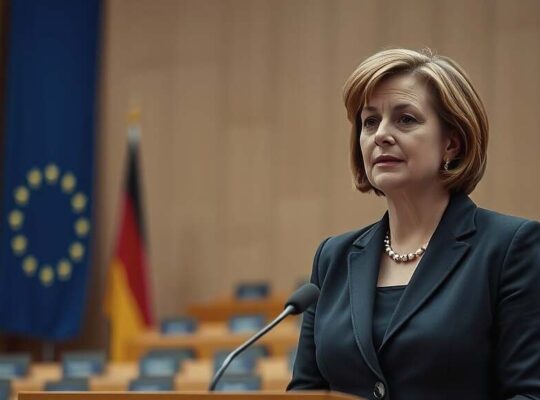
Germany’s Interior Minister Alexander Dobrindt of the CSU (Christian Social Union) has publicly asserted a positive security assessment ahead of the nationwide opening of Christmas markets, a period historically fraught with anxieties following past terrorist attacks. While acknowledging the persistent, albeit abstract, threat landscape within Germany, Dobrindt emphasized a lack of concrete evidence pointing towards imminent attack plans.
Speaking to Bavarian media outlets, Dobrindt addressed public concerns, recognizing the potential for traumatic memories to surface during festive gatherings. He underscored the significant investment in safety measures and highlighted the absence of any alarming indicators from law enforcement agencies, including the Federal Criminal Police Office (BKA), regarding extremist or terrorist activity.
Responding to inquiries about intensified surveillance of potential threats, Dobrindt affirmed that individuals of concern remain under constant observation. He pointed to recent arrests of individuals supporting terrorist organizations like Hamas, or actively preparing attacks, as evidence of proactive intelligence operations. However, he insisted that the current risk profile does not warrant exceeding existing security protocols.
The Interior Minister actively refuted claims that stringent security measures are prompting a wave of Christmas market cancellations. While conceding that such measures entail considerable financial burdens, which municipal authorities inevitably debate, he dismissed the assertion of widespread market closures as inaccurate.
The Minister’s statements, while designed to reassure the public, are likely to be met with scrutiny. Critics may question the transparency of intelligence assessments and debate whether current preventative measures adequately balance security concerns with the preservation of traditional festive activities. The inherent tension between maintaining a sense of normalcy and implementing robust protective measures remains a complex challenge for the German government, particularly in the context of ongoing geopolitical instability.