The recent arson attack on the property of Brandenburg’s antisemitism commissioner, Andreas Büttner, has sparked widespread condemnation and raised serious concerns about the escalating nature of antisemitism in Germany. Felix Klein, the Federal Government’s Commissioner for Jewish Life and Anti-Semitism, expressed deep dismay at the incident, characterizing it as a “cowardly and profoundly alarming expression of antisemitism” that demands a resolute and comprehensive response.
Klein’s statement, released to the Funke-Mediengruppe, underscored the tangible threat posed by antisemitism, stating it is “not an abstract ideology – it concretely threatens Jews and non-Jews with bodily harm and life”. He emphasized that the manifestation of hate, whether through swastikas, Hamas symbols, or other dehumanizing iconography, remains unequivocally antisemitic.
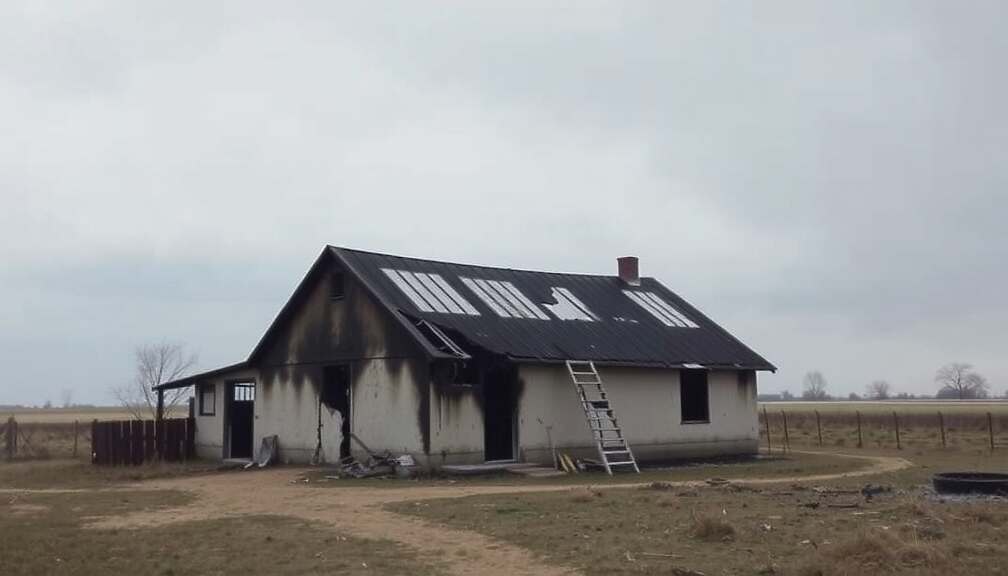
The attack, which involved arson of a shed on Büttner’s property and the placement of a pro-Hamas triangle on a neighboring structure, follows a previous far-right attack on Büttner’s car in Templin in August 2024. These consecutive incidents highlight a worrying pattern of targeted harassment against a figure tasked with combating antisemitism, suggesting that those harboring such extremist views are emboldened and operating with increasing impunity.
The response from political circles has been largely condemnatory, but some critics are questioning whether existing preventative measures are sufficient. While authorities have condemned the attacks and initiated investigations, concerns linger regarding the underlying factors fueling this rise in antisemitic incidents and the effectiveness of strategies to counter extremist ideologies. The incidents in Templin now raise uncomfortable questions about the safety and security of public officials working to address this critical societal challenge and the broader implications for the protection of Jewish communities and the fight against hate speech in contemporary Germany. Further scrutiny of security protocols and a deeper examination of the ideological roots of these attacks are now urgently needed.