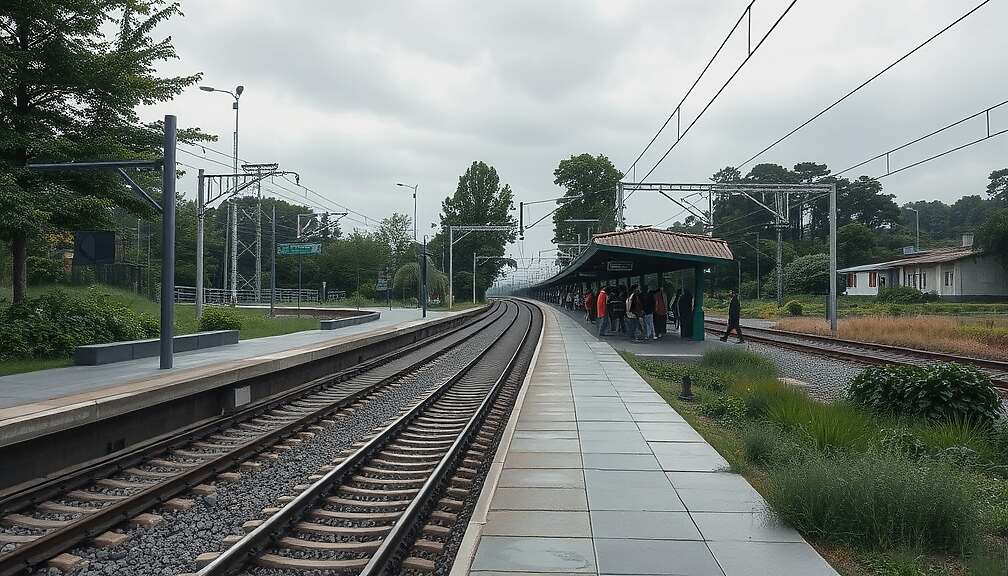
The persistent and severe disruptions to rail services across Germany following the recent winter weather event are prompting calls for accountability from the political opposition. Christian Democratic Union (CDU) parliamentarian and member of the Bundestag’s Transport Committee, Christoph Ploß, has sharply criticized the Deutsche Bahn’s leadership, demanding a comprehensive review of the failures and assurances that future winter conditions will not paralyze the national rail network.
Speaking to the Rheinische Post, Ploß expressed dismay at the prolonged and widespread travel chaos, stating that the Deutsche Bahn must “thoroughly address this disaster” and prevent a repeat occurrence. He highlighted the contrast with other European nations, questioning why Germany struggles to maintain rail operations during periods of inclement weather. “It cannot be acceptable that virtually no trains are running across Germany for days when winter conditions prevail” Ploß asserted.
The current situation stems from the aftermath of winter storm “Elli” which has left a significant backlog of delays and cancellations despite the weather front now moving south. While recovery efforts are underway, substantial limitations remain significantly impacting the long-distance rail network.
Ploß’s comments echo a sentiment of declining public confidence in the Deutsche Bahn’s ability to handle logistical challenges. He has advocated for a return to a previous era of operational self-assurance, referencing the railway’s former slogan: “Everyone talks about the weather. We don’t”. This, he argues, represents a necessary shift from reactive crisis management to proactive infrastructure preparedness and robust operational planning. The incident raises broader questions about the resilience of Germany’s infrastructure and the responsibility of state-owned enterprises to maintain reliable public services, particularly given the ongoing political debate surrounding the substantial financial investment currently directed towards the rail network.