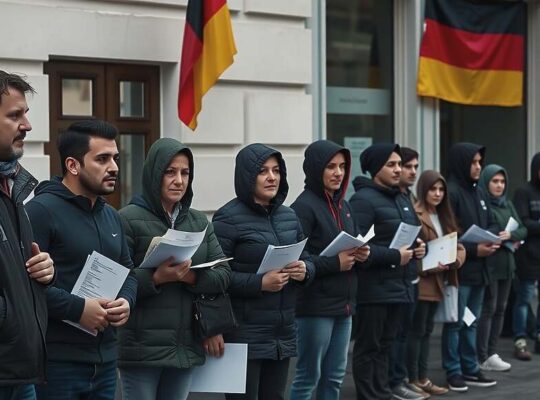
The recent EU agreements on asylum policy are being heralded by German Chancellor Friedrich Merz as a potential catalyst for the eventual dismantling of border controls within the Schengen Area, marking a significant shift in European integration efforts. Speaking during a regional visit to Rhineland-Palatinate, Merz suggested the newly adopted measures represent a realization of long-held ambitions for a unified European approach to migration and security.
“We consistently viewed border controls, including those previously implemented in Rhineland-Palatinate, as temporary and of limited effectiveness” Merz stated, underscoring a departure from the increasingly prevalent reliance on national border measures in recent years. The initiative, cemented by decisions reached among EU interior ministers, aims to establish a more cohesive asylum process and, crucially, to relocate responsibility for border management to the EU’s external frontiers.
While proponents, including Merz, frame this transition as a step towards reviving the open-border principles underpinning the Schengen Agreement – fostering freedom of movement for workers, capital, goods and services – critics are raising concerns about the practical implications and potential vulnerabilities. The relocation of border responsibility raises complex questions regarding the EU’s capacity to effectively manage migration flows at its external boundaries while simultaneously ensuring the humane treatment of asylum seekers.
Furthermore, the German Chancellor’s optimistic outlook is tempered by the persistent anxieties surrounding the equitable distribution of responsibility among member states. The success of this policy hinges on a willingness among all nations to share the burden, a factor that has historically proven to be a considerable obstacle to deeper European cooperation. The move also draws attention to the delicate balance between upholding security concerns, often cited as justification for border controls and preserving the fundamental freedoms that define the European project. Whether this new framework can deliver on its promise of a borderless Europe remains to be seen, especially given the ongoing political sensitivities surrounding migration across the continent.