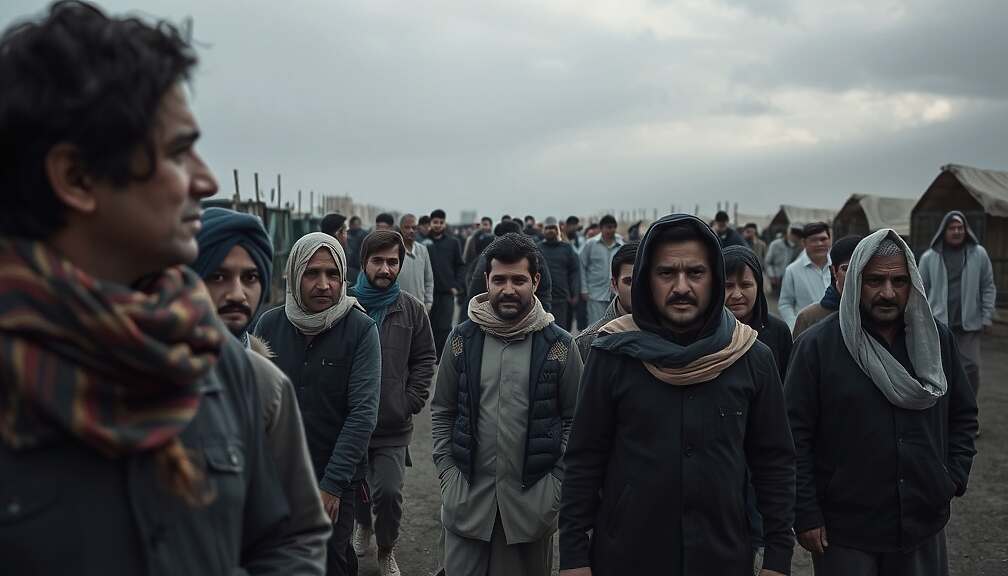
A human rights organization is accusing the German government of abandoning hundreds of vulnerable Afghan individuals to the Taliban regime, sparking a fierce political backlash and raising serious questions about Germany’s commitment to human rights and international obligations.
Medico International alleges that the recent revocation of acceptance offers for over 600 Afghan asylum seekers, primarily awaiting departure from Pakistan, constitutes a deliberate betrayal of those facing dire circumstances under Taliban rule. Anita Starosta, head of public relations for Medico International, told the Redaktionsnetzwerk Deutschland that the government’s actions amount to “delivering people in need to the Taliban with open eyes.
The criticism intensifies with pointed accusations directed at leading figures within the conservative Union parties (CDU and CSU), including Chancellor Friedrich Merz and Interior Minister Alexander Dobrindt. Starosta’s statement contends that these officials are effectively “aiding the Taliban” while criticizing the Social Democratic Party (SPD) for failing to demonstrate a commitment to social democratic principles by intervening.
The revocation, justified by the Interior Ministry as a lack of “political interest” in continuing to accept these individuals, has drawn condemnation as a callous and potentially dangerous decision. Medico International argues that it reflects a deeply troubling trend of domestic, racially charged sentiment influencing German foreign policy. “It is shameful for a state that claims to adhere to the rule of law to abandon individuals who once placed their hope in this country and risked their lives advocating for human rights” Starosta asserted.
The case exposes a complex dilemma at the heart of German asylum policy: balancing national security concerns, public opinion and a moral obligation to protect vulnerable populations. Critics suggest the government’s rationale is flimsy and ignores the very real dangers facing those now stranded, potentially exposed to persecution and forced return to Taliban-controlled territory. The incident is likely to fuel a broader debate on Germany’s role in international humanitarian crises and the ethical considerations underpinning its asylum practices.