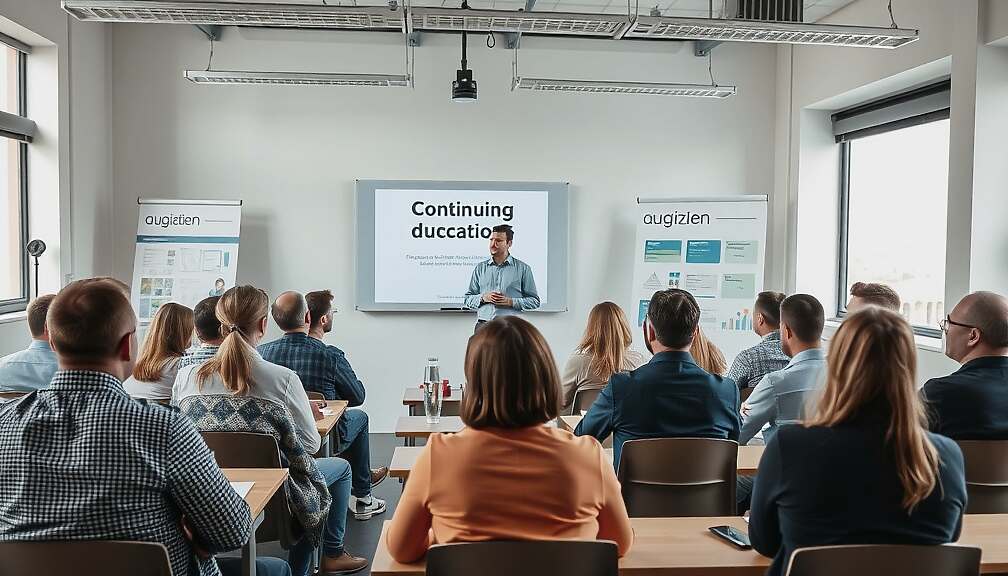
According to a 2024 survey by the Munich-based Ifo Institute, only 9.4 % of German residents aged 25‑64 reported taking part in any form of further education. In comparison, the average for the European Union is 13.5 %. Some of the lowest participation rates are found in Romania, Croatia, Bulgaria and Greece, while the highest figures come from Sweden, Denmark and Finland.
Lifelong learning, the Ifo economist Jasmin Vietz explained, is essential for a society’s economic flexibility. “Cultural traits-especially patience-can shape how much adults invest in continuing education” she said.
To investigate this link, the institute combined a patience index drawn from the “Global Preferences Survey” of immigrants from various countries of origin with data from Germany’s microcensus. In this context, patience is defined as a willingness to forgo immediate benefits in order to secure larger gains in the future.
The study finds that individuals from backgrounds with higher patience scores are more inclined to make long‑term investments, even when these entail short‑term costs. “More patience markedly increases the likelihood of enrolling in further training” Vietz noted. The same trend, though somewhat diminished, can still be observed in the second generation of immigrants.