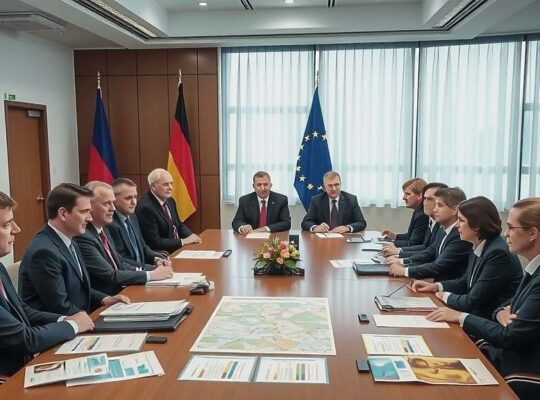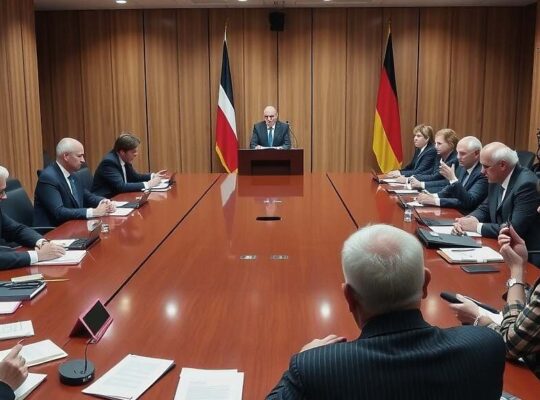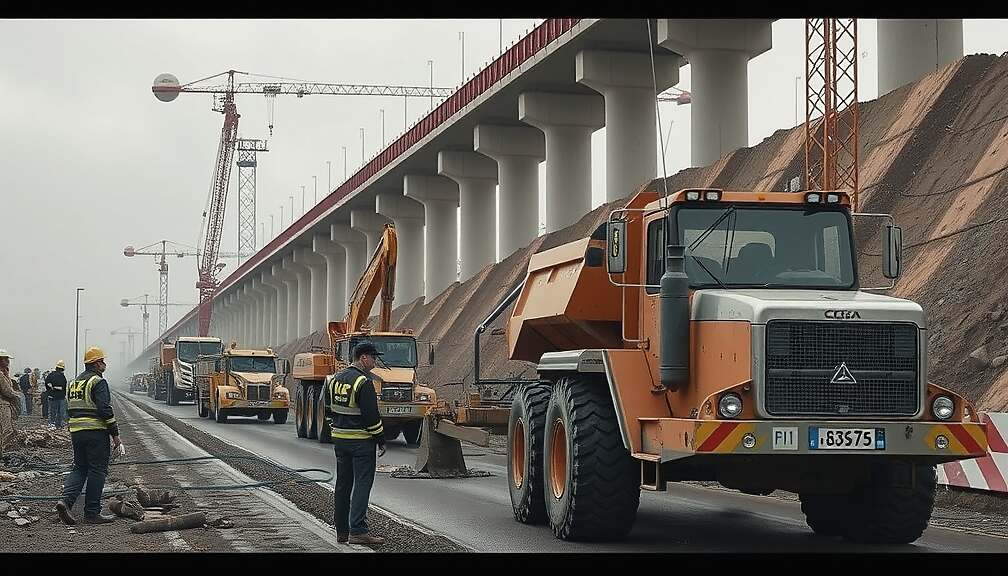
Following a closed-door coalition meeting, Chancellor Friedrich Merz announced a significant shift in infrastructure development policy, prioritizing speed over established environmental safeguards. The agreement, reached between the Union and SPD parties, centers around the imminent implementation of an “Infrastructure Acceleration Law” intended to dramatically reduce bureaucratic bottlenecks plaguing vital projects across Germany.
The core of the legislation revolves around designating critical deficiencies in federal transportation routes and railway projects as possessing “overriding public interest”. This label is expected to expedite approval processes, effectively bypassing numerous procedural hurdles currently hindering progress. While Merz emphasized the continued importance of environmental protection, he explicitly criticized its current role, asserting that “it can no longer block urgently needed measures through endless procedures.
This statement signals a marked departure from previous environmental impact assessment protocols. A key component of the acceleration plan involves restricting the right of environmental organizations to legally challenge infrastructure projects, a move widely criticized by environmental advocacy groups who argue it undermines democratic oversight. To ostensibly mitigate this concern, the coalition promises to create compensatory mechanisms, though the specifics remain vague and have already drawn skepticism from opposition parties.
The agreement also prioritizes the electrification of railway lines, a crucial ambition for Germany’s climate targets. A particularly controversial element is the planned exemption from environmental impact assessments for rail lines up to 60 kilometers in length. This blanket exemption, critics argue, eliminates a vital layer of scrutiny and potentially sacrifices long-term environmental sustainability for short-term gains in efficiency.
The coalition’s move is expected to face intense scrutiny from both within and outside the parliament. While proponents herald it as a necessary step to modernize Germany’s aging infrastructure and stimulate economic growth, detractors warn against a dangerous erosion of environmental protections and a curtailment of democratic processes, raising questions about the long-term consequences of prioritizing speed over sustainable development. The legislation’s details are expected to be released shortly, triggering a debate poised to significantly shape Germany’s infrastructural and environmental policy landscape.