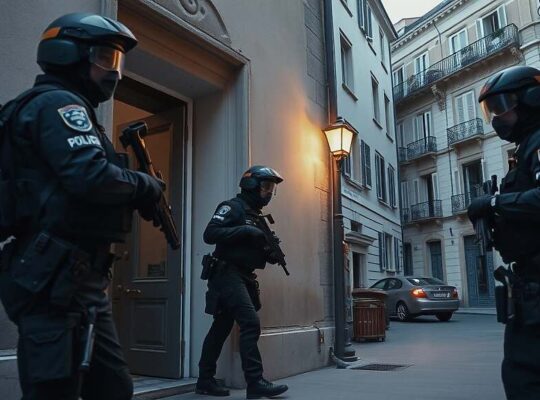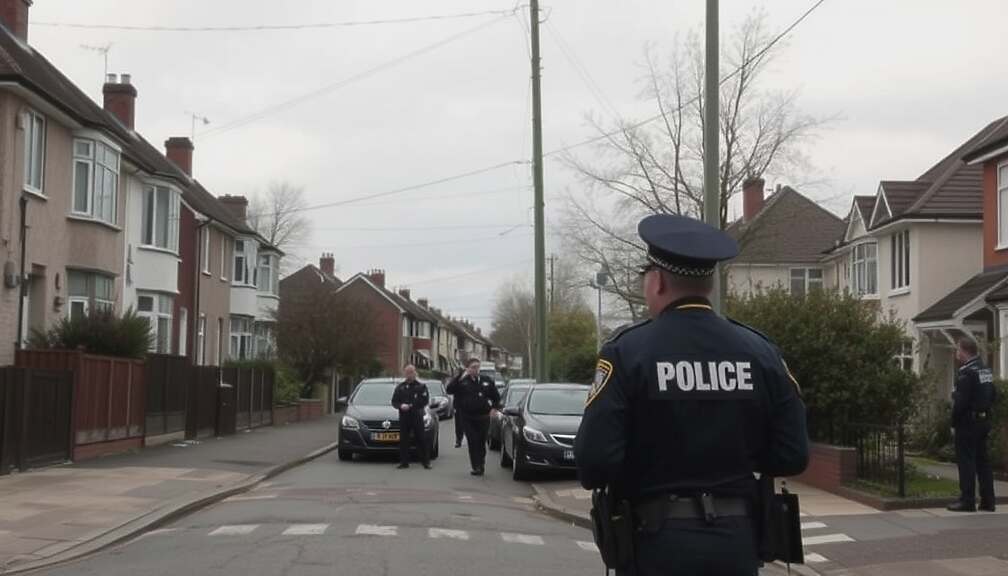
Law enforcement agencies in Baden-Württemberg conducted searches of the apartment belonging to a 22-year-old Syrian national on Tuesday, escalating concerns regarding potential terrorism links. The man is suspected of maintaining contact with the Islamic State (ISIS) and receiving training regarding explosives and unconventional weaponry, purportedly with the intent to carry out an attack. Authorities emphasized that no concrete plans for a specific attack have been uncovered at this stage.
The searches extended beyond the individual’s registered address in Karlsruhe, encompassing two additional residences in South Hesse and Karlsruhe where he was known to frequent. While no items directly substantiating the suspicion were discovered during the raids, officials seized the man’s mobile phone, which is currently undergoing forensic analysis.
Despite the serious allegations, the suspect was released pending further investigation as no immediate threat was identified. This decision highlights a delicate balance authorities face – the need for proactive counter-terrorism measures versus safeguards against wrongful detention and accusations.
The incident has reignited scrutiny of Germany’s integration policies and the effectiveness of its monitoring of individuals with potential extremist links. Critics are likely to question why a suspect with such concerning connections was not flagged earlier and whether existing protocols adequately flag individuals receiving explosives training.
The close coordination between intelligence and security services, as stated by authorities, is intended to facilitate swift action if necessary. However, the ongoing investigation underscores the persistent threat landscape and the challenges of preventing terrorist acts before they are fully formed, demanding continued vigilance and a critical assessment of government protocols. The lack of concrete attack plans discovered offers a degree of immediate relief, but the investigation remains open and its findings could significantly impact future security operations.