Germany Signals Caution on Troop Deployment to Ukraine Despite Security Pledges
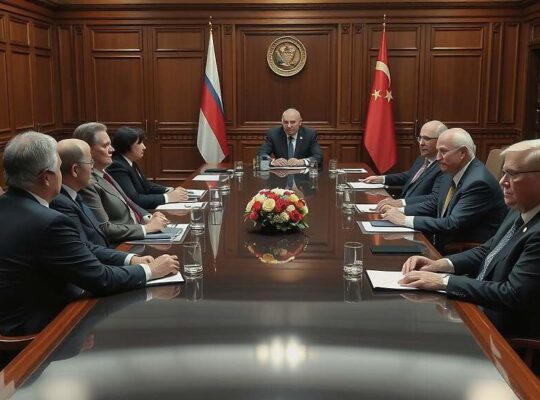
Following a summit in Paris focused on bolstering security guarantees for Ukraine, German CDU General Secretary Carsten Linnemann has tempered expectations regarding a direct deployment of Bundeswehr soldiers to the conflict zone. While affirming Germany’s commitment to securing peace, Linnemann emphasized a prioritized focus on safeguarding NATO territory, effectively drawing a crucial distinction in the scope of potential involvement.
Speaking to RTL and ntv, Linnemann stated that Germany is prepared to secure a ceasefire and contribute to peacekeeping missions, a stance he deemed “correct”. However, he explicitly ruled out a commitment to sending German troops directly into Ukraine, despite the ongoing security concerns posed by Russia. He highlighted the existing Bundeswehr presence in the Baltics, employed for defensive purposes even amidst escalating tensions with Russia, suggesting a limited bandwidth for further deployments.
The comments come on the heels of Chancellor Friedrich Merz’s diplomatic efforts in Paris, which Linnemann praised as instrumental in solidifying a commitment to providing Ukraine with strengthened security assurances. Merz, according to Linnemann, successfully fostered a unified European voice within the coalition supporting Ukraine, a significant achievement in a landscape often characterized by divergent national interests.
However, Linnemann’s cautious statements are already drawing scrutiny. Critics argue that while security guarantees are essential, a reticence to deploy troops, even in a peacekeeping capacity, could be interpreted as a lack of resolve and potentially undermine the credibility of Europe’s commitment to Ukraine’s long-term security and stability. The nuanced position reveals a persistent tension within the German government between a desire to support Ukraine and the limitations imposed by domestic political considerations and potential operational risks. The extent to which these security guarantees will translate into tangible, on-the-ground action remains to be seen and the public debate surrounding Germany’s role in the conflict is certain to intensify.