The German government has launched a concerted effort to deepen engagement with the security and defense industry, signaling a significant shift toward integrating economic and security policy. The inaugural “Industry in Dialogue for Security” forum, held at the Federal Ministry of Defense, marked the first time representatives from sectors beyond traditional defense, including broader industrial associations, participated in the discussion.
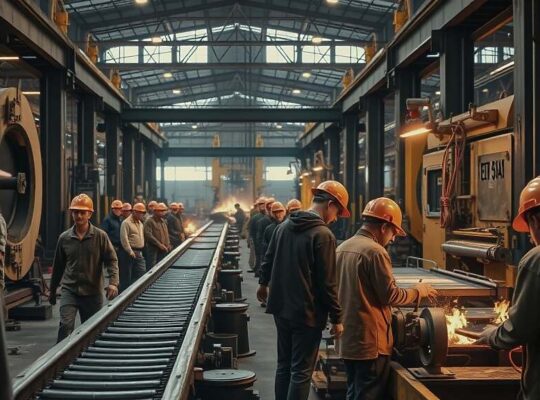
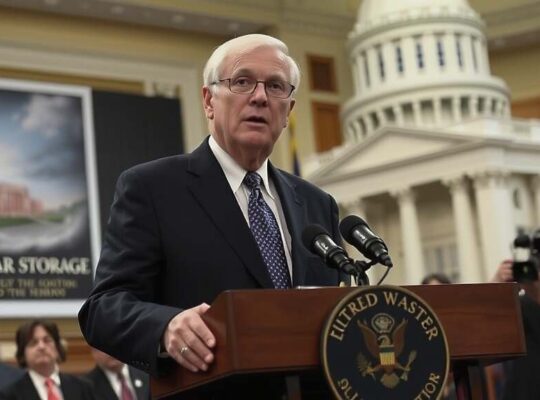
The initiative aims to foster collaboration across industries and capitalize on synergistic opportunities, a move widely seen as a response to the escalating geopolitical landscape. “Security policy is invariably economic policy” stated Economics Minister Katherina Reiche (CDU), emphasizing the need for enhanced inter-departmental and cross-sector cooperation to bolster national resilience and operational readiness. A core objective is the creation of “dual-use” capabilities, where developments in one sector directly benefit another, leading to scalable solutions, job creation and more robust supply chains.
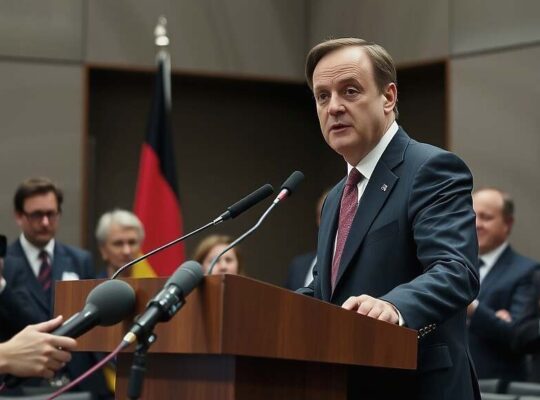
Defense Minister Boris Pistorius (SPD) underscored the importance of strengthening connections between security and defense companies, their suppliers and businesses from other sectors. This interconnectedness, he argued, is crucial for safeguarding value chains, from raw material acquisition to the production of complex defense systems.
The forum addressed critical challenges, focusing on strategies to increase production capacity and integrate new suppliers into existing networks to fortify resilience. Discussions surrounding the expansion of capabilities and the harnessing of innovation were also central, with particular attention given to the potential of the Federal Armed Forces’ newly established Innovation Hub in Erding. This center is envisioned as a key node connecting military research with civilian innovation ecosystems.
Critics, however, have raised concerns about the potential for blurring lines between civilian and military innovation and the possibility of prioritizing short-term economic gains at the expense of ethical considerations. Questions have also been posed regarding the long-term impact on smaller, specialized businesses potentially overshadowed by larger industrial conglomerates benefiting from government contracts. The ongoing focus is therefore expected to face continued scrutiny regarding its transparency and equitable distribution of benefits.