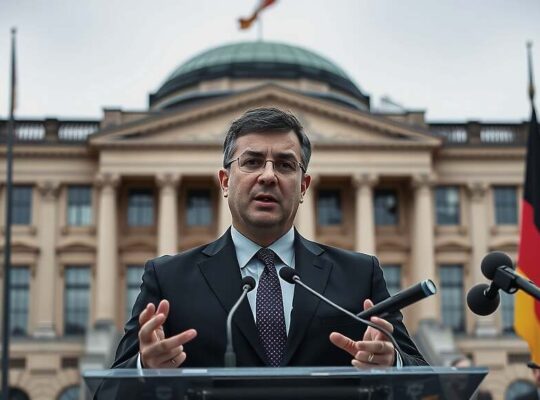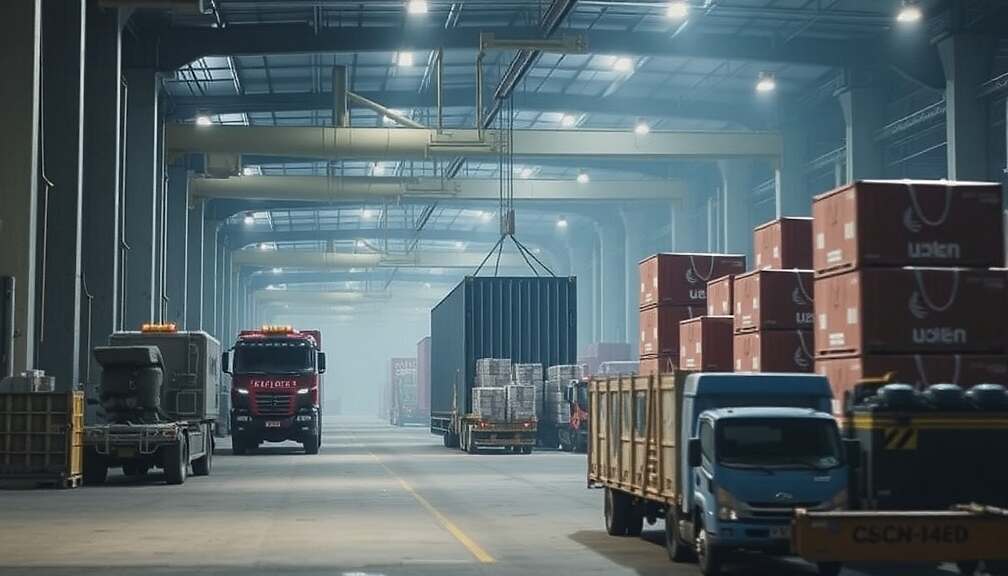
The German Environment Minister, Carsten Schneider (SPD), is escalating concerns over the widespread circumvention of EU and German regulations by Chinese online retailers, demanding a significant overhaul of current practices. Schneider’s criticism centers on the influx of low-cost packages originating from China, which he alleges are causing considerable problems ranging from hazardous toys and unsustainable fast-fashion textiles to unsafe electronic goods.
“These cheap packages from China are creating too many issues” Schneider stated in an interview with Bild. “They frequently disregard the rules we have in Europe for justifiable reasons. This unfair competition damages the environment, consumers and our European retail sector.
The core of the problem lies in the current registration and fee structure for online retailers delivering goods to Germany. All commercial online vendors are theoretically required to register with the “LUCID” packaging register and pay waste disposal fees based on their volume of trade. While a million Chinese vendors are reportedly registered, a spokesperson for LUCID confirmed that the majority are likely evading the system. Crucially, there is currently no mechanism to ensure that those registered are actually paying the required disposal fees.
“Currently and based on existing law, it is impossible to guarantee that online retailers, through which goods arrive in Germany via Chinese vendors, are paying for the waste” a spokesperson for LUCID admitted. This admission highlights a significant loophole exploited by numerous Chinese businesses, allowing them to undercut legitimate European businesses while externalizing significant environmental costs.
Schneider is advocating for a comprehensive reform of EU regulations. Specifically, he is targeting the current system of customs exemptions for low-value packages, a policy he believes incentivizes the problematic influx of cheap goods. He pointed out that Lars Klingbeil, a prominent figure in the SPD, is actively engaged in efforts to end this exemption at the European level.
The minister’s call for reform represents a potentially significant shift in the EU’s approach to online trade and raises critical questions regarding the sustainability and fairness of the current system. Critics argue that without decisive action, Europe risks further undermining its domestic industries while failing to address the environmental consequences of unchecked global trade. The situation underscores a growing tension between facilitating international commerce and upholding stringent regulatory standards.