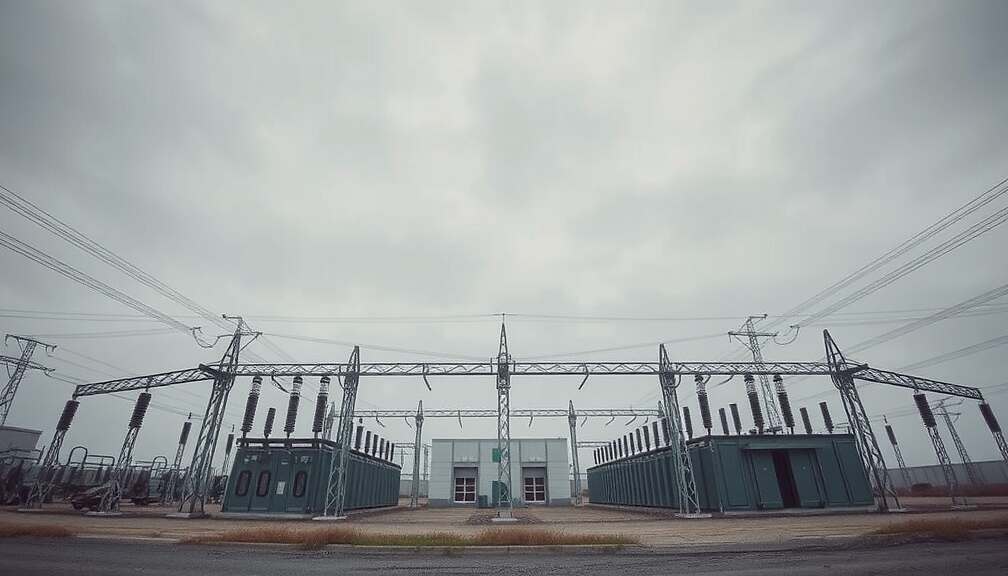
The recent cyberattack on Berlin’s power grid has spurred the ruling black-red coalition government to propose legislation mandating stricter protection of sensitive data pertaining to Germany’s critical infrastructure. The move reflects a growing urgency to address perceived vulnerabilities and balance transparency with national security concerns.
SPD digital policy spokesperson Johannes Schätzl, in statements to “Handelsblatt”, emphasized the escalating threat landscape, arguing that readily available public information can pose a concrete security risk. “Given the fundamental threat situation, there’s an urgent need for action” he stated. Schätzl advocated for a reassessment of the current balance, suggesting a limitation on the public’s access to details concerning the physical location of vital infrastructure components like power lines and network hubs.
Echoing this sentiment, Marc Henrichmann, Chairman of the Bundestag’s Parliamentary Oversight Committee for Intelligence Services (GDC), criticized what he termed the “political naivety and shortsightedness” that previously prioritized glass-box transparency over security interests. “The Berlin incident dramatically underscores our vulnerability, even within Germany and the devastating consequences such attacks can have” he told “Handelsblatt”. Henrichmann reiterated the government’s commitment to combating violent extremism and safeguarding democratic principles.
Schätzl proposed leveraging the parliamentary process concerning the so-called ‘Kritis’ umbrella law – designed to comprehensively safeguard critical infrastructure – to facilitate this recalibration. The law aims to establish binding guidelines for institutions considered part of critical infrastructure, bolstering resilience against sabotage, terrorist activity and natural disasters. While Henrichmann acknowledged the law’s potential, he stressed that it is merely “the beginning of a long journey towards societal resilience.
Initial drafts of the government’s legislation, first debated in the Bundestag in November 2025 and subsequently referred to committee review, have already faced criticism, particularly surrounding the proposed transparency obligations. Experts have voiced concerns about the potential for overreach and the impact on information access, prompting a contentious debate about how to effectively protect critical infrastructure while maintaining accountability and public scrutiny. The revisions planned within the Kritis law are likely to be sharply debated, balancing security imperatives with democratic oversight.