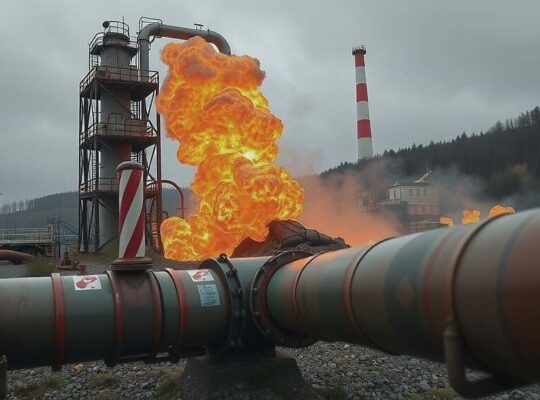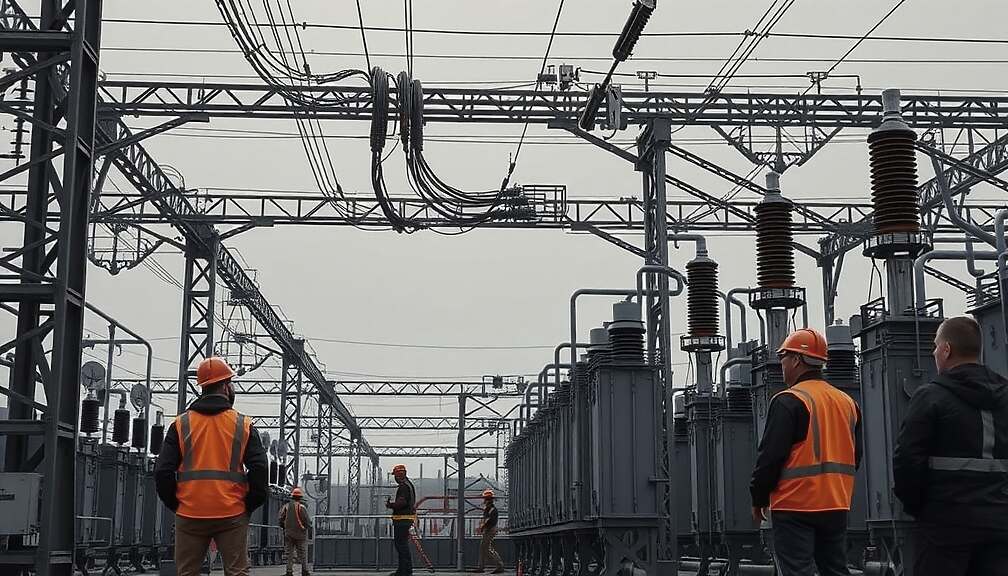
The recent coordinated cyberattack on Berlin’s power grid has triggered a wave of political recriminations and calls for a significant overhaul of Germany’s security protocols, particularly regarding the protection of critical infrastructure and the prosecution of left-wing extremism. The incident, which left thousands without power, has exposed vulnerabilities and fueled a debate about the government’s approach to both digital security and domestic radicalism.
Hamburg’s Interior Senator Andy Grote, currently chairing the state interior ministers’ conference, emphasized a need for a parallel strengthening of civilian defenses to match the nation’s military readiness. Grote specifically warned against the potential dangers of overly open communication regarding sensitive data related to power and energy infrastructure, implying a re-evaluation of current transparency policies is urgently required.
The critique extends to past governmental practices. Marc Henrichmann, chairman of the parliamentary control committee, directly accused authorities of a period of “negligence” pointing to the widespread availability of detailed maps and information concerning power lines, water systems, administrative structures and digital networks. This readily accessible data, Henrichmann argues, has transformed into a tangible security risk. His call for a fundamental shift in policy advocates restricting public access to such sensitive information, deeming the current level of transparency unsustainable.
The political response has been swift and assertive. North Rhine-Westphalia’s Interior Minister Herbert Reul underscored the necessity of “consistent prosecution, improved protection of critical infrastructure and zero tolerance for sabotage”. Reul framed the attack as a direct assault on democracy, asserting that those responsible must face significant consequences to deter further acts of aggression.
The call for action transcends partisan lines, with the incident prompting a rare consensus on the need for stricter security measures and more robust legal frameworks. However, the underlying causes of the attack – potential links to left-wing extremist groups – remain shrouded in investigation and the extent to which the readily available information contributed to the success of the attack is yet to be officially determined. The incident has, nonetheless, ignited a fierce debate regarding the balance between transparency, security and the potential for politically motivated sabotage within Germany.