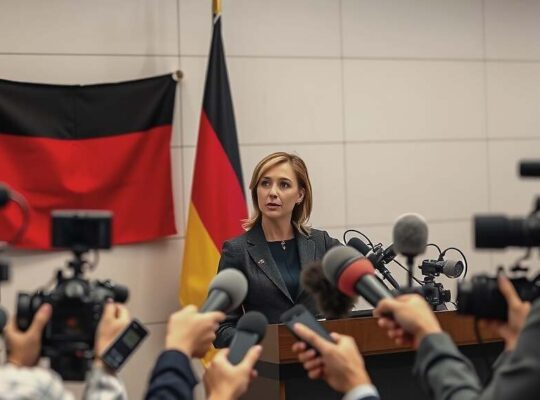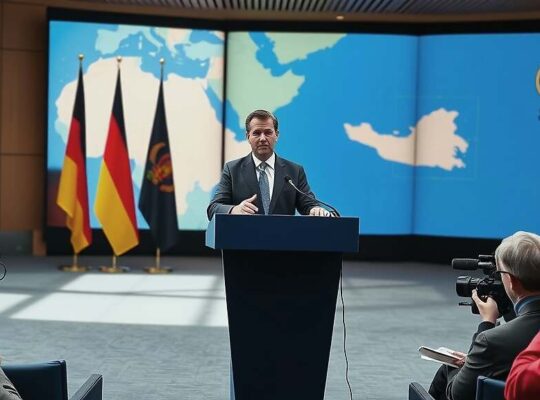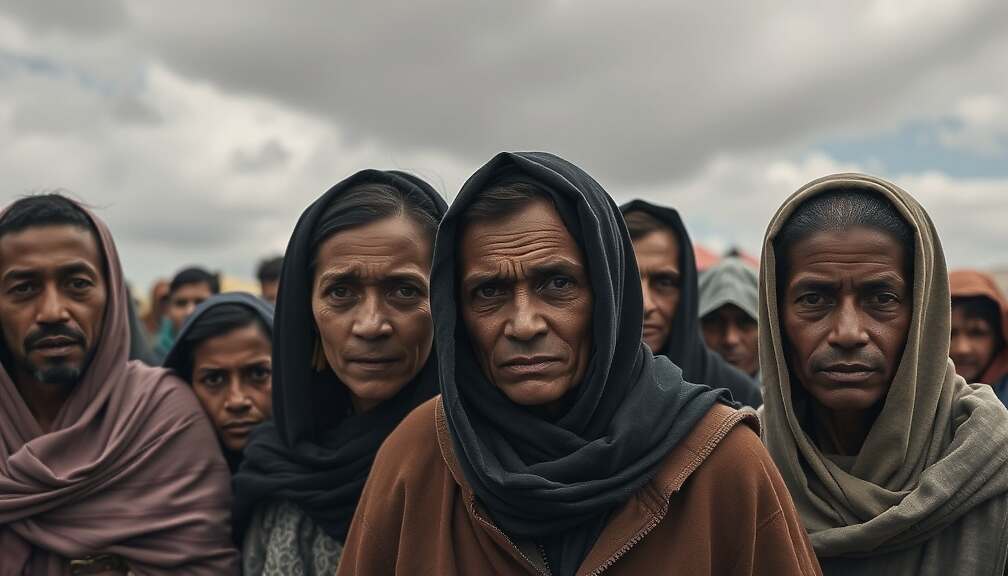
The German government is set to bring an additional 535 Afghan nationals to Germany from Pakistan, sparking renewed debate regarding the nation’s commitment to asylum seekers and the evolving geopolitical considerations driving policy shifts. Interior Minister Alexander Dobrindt (CSU) confirmed the move, detailing that the group comprises 460 individuals within the federal reception program and 75 former local staff and their families also residing in Pakistan.
While Dobrindt expressed urgency in processing the transfers, aiming for completion by December, the situation underlines the complexities and inconsistencies in Germany’s asylum policies. The imminent arrival of these individuals follows a recent chartered flight bringing 160 Afghans to Berlin, a flight itself preceded by successful legal challenges from asylum seekers demanding visa issuance – a clear indication of the bureaucratic hurdles and legal battles frequently encountered.
However, the planned intake stands in stark contrast to a recent decision to abruptly cancel residency commitments for approximately 650 Afghans who were previously placed on a “human rights list”. The government’s justification for this reversal cited a supposed lack of ongoing “political interest” in their acceptance, fueling accusations of arbitrary decision-making and a prioritization of short-term political expediency over humanitarian obligations.
Critics argue that this fluctuation in policy – promising refuge and then rescinding it – severely damages Germany’s international reputation as a safe haven and erodes trust among potential asylum seekers. Concerns are also being raised concerning the transparency and consistency in the criteria used to determine eligibility, particularly given the limited explanation provided for the sudden change of heart regarding the 650 individuals whose commitments were withdrawn.
The ongoing transfers from Pakistan, coupled with the recent cancellations, highlight a struggle within the German government concerning balancing humanitarian responsibilities with perceived national interests in an increasingly volatile international landscape. The situation is likely to remain a focal point of political debate, with ongoing scrutiny expected on the ethical implications of these changing policies and their impact on the lives of those seeking asylum.