The disruption of Berlin’s power grid last week has triggered a wave of scrutiny and a promised in-depth review by Chancellor Friedrich Merz of the Christian Democratic Union (CDU). While Merz staunchly defended the government’s response to the incident, praising the handling of events as “probably not much better” than it could have been given the circumstances, he conceded a need for increased resilience against future attacks.
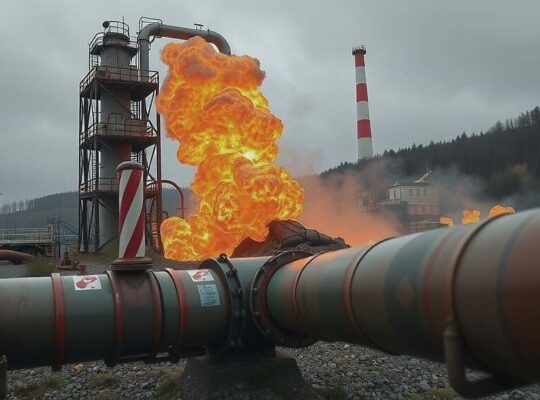
Merz highlighted the inherent challenges in achieving impenetrable infrastructure protection, emphasizing the crucial role of redundancy measures. “We cannot protect infrastructure without gaps” he stated, suggesting a significant shortfall existed within Berlin’s existing systems. The promised analysis will specifically target strategies to improve preparedness and response capabilities should a similar incident occur.
The incident has also ignited a political firestorm, with CSU leader Markus Söder forcefully defending Berlin’s governing mayor, Kai Wegner, who faced considerable criticism for being photographed playing tennis during the crisis. Söder dismissed the controversy surrounding Wegner’s recreational activity as a distraction, diverting the focus towards what he framed as a resurgence of “left-wing terrorism” – a phenomenon he believes poses a far more substantial threat with “fundamental consequences”. Söder’s remarks suggest a deliberate attempt to shift the narrative away from questions of governmental behavior during the outage and towards a broader and potentially politically advantageous, discussion about the perceived rise in extremist activity.
This redirection of blame and downplaying of internal critique raise questions about the transparency and accountability surrounding the power outage. While acknowledging the need for improvement, the government’s immediate defensive posture and Söder’s aggressive framing risk obscuring a necessary examination of the systemic vulnerabilities exposed by the attack and the preparedness of Berlin’s leadership. The implication that the focus should primarily be on terrorism, rather than the efficacy of infrastructure safeguards and crisis management, fuels concerns that a genuine, critical evaluation may be sacrificed for political expediency.