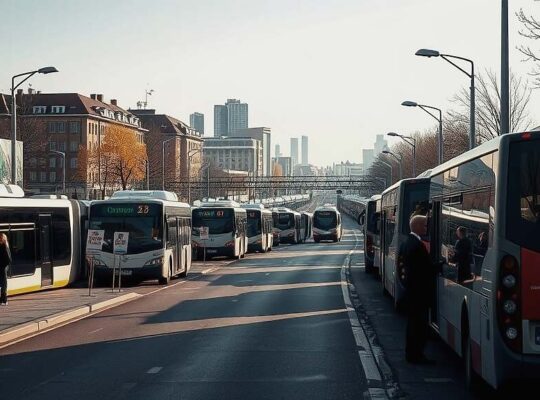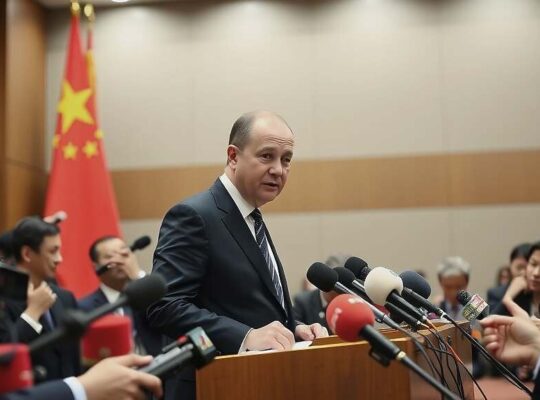
The German government is urging citizens to exercise extreme caution ahead of a severe weather system predicted to bring heavy snowfall and widespread ice, prompting questions about infrastructure preparedness and the potential for disruption. Transport Minister Patrick Schnieder, of the ruling CDU party, emphasized in a televised statement Thursday that public safety must be prioritized, acknowledging the unpredictable nature of weather events.
Schnieder’s call for restraint, advising citizens to avoid non-essential travel, reflects a sense of caution within the government. While he attempted to downplay the potential for panic, he conceded that “the signs are such that there can be very dangerous situations in some areas” demanding citizens take the threat seriously.
The Minister confirmed ongoing coordination with Autobahn GmbH (the German Autobahn operator) and Deutsche Bahn (the national railway company) and highlighted the deployment of significant personnel to mitigate potential impacts. Over 6,000 road maintenance workers and 14,000 rail employees are reportedly on standby to clear roads, platforms and railway tracks.
However, the response has drawn subtle criticism from opposition parties, who argue that the government’s preparedness messaging lacks concrete detail and transparency. Concerns are being raised about the potential for gridlock, particularly given the already strained logistical networks across the country. Opposition MPs have questioned whether the allocated resources are sufficient to handle a truly exceptional weather event, pointing to past incidents of infrastructure failure during periods of severe weather.
Schnieder conceded that Germany is “not immune to all weather caprices” a tacit acknowledgement of the limitations of even extensive preventative measures. The situation underscores the ongoing challenge of balancing preventative action with the economic and social consequences of restricting movement. While authorities emphasize preparedness, the potential for significant disruption remains and the government faces the delicate task of managing public perception without inciting unnecessary alarm.