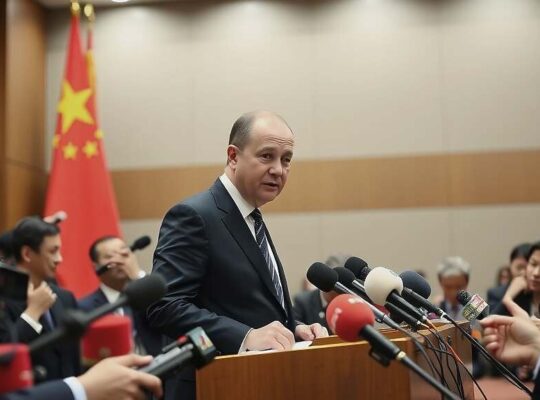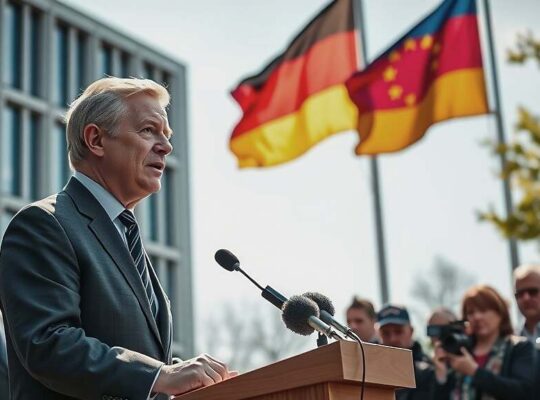
Germany’s Foreign Minister, Johann Wadephul, has underscored the necessity of bolstered European unity as a direct response to escalating threats emanating from Russia, marking the commencement of his inaugural overseas trip to Lithuania. Speaking on Monday, Wadephul emphasized a shift towards greater European autonomy in defense, signaling a potential recalibration of Germany’s approach to security policy.
“Confronting the Russian challenge demands a demonstrably strong and cohesive European front” Wadephul stated, adding that “self-reliant defense of our values and freedoms is now paramount”. This sentiment reflects a growing consensus – shared, according to Wadephul, between Berlin and Vilnius – that assertive action is the only viable path to dissuade Russia from a trajectory of further escalation.
The commitment, Wadephul detailed, involves a collaborative effort with Lithuania, NATO and EU partners focused on intensified monitoring of the Baltic Sea, enhanced vigilance and strategic investment in resilient infrastructure. He highlighted the ongoing success of the NATO Baltic Sentry mission as a model for future collaborative security initiatives.
Wadephul’s visit to Lithuania will focus on expanding defense cooperation to counter the multifaceted nature of Russian aggression, a threat acutely felt in both Vilnius and Berlin. A key element of this engagement will be a visit to the newly established German brigade stationed in Lithuania – a deployment that Wadephul described as “a testament to the seriousness of the situation and a clear demonstration of Germany’s unwavering commitment to supporting our friends and allies.
The deployment of a German brigade abroad marks a significant departure from previous German foreign policy, raising questions about the long-term implications for Germany’s defense posture and the broader European security architecture. Critics note that while demonstrating solidarity, the move also potentially intensifies the already tense dynamic with Russia, demanding a careful balancing act between deterrence and de-escalation. The brigade’s establishment also triggers scrutiny regarding the financial burden and commitment required to sustain a prolonged foreign military presence, especially amidst domestic economic challenges.