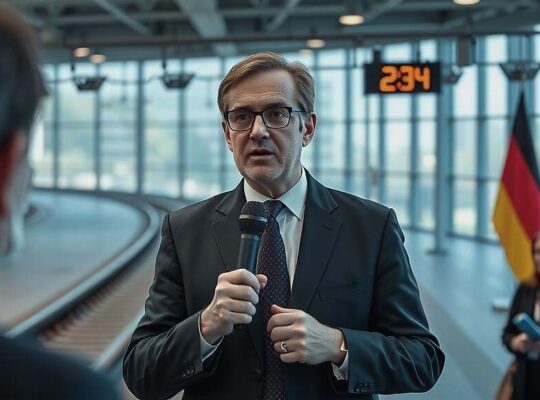
Germany’s domestic intelligence agency, the Federal Criminal Office (BKA), has issued a stark warning regarding a significant intensification of Russian influence operations within the country since the onset of the war in Ukraine. BKA President Holger Münch, in an interview published by “Bild”, described a worrying surge in activities ranging from espionage and sabotage to sophisticated cyberattacks and the deployment of what he termed “expendable agents.
Addressing the increasingly blurred lines between peace and conflict, Münch characterized the current situation with a paraphrase of a well-known adage: “We are not at war, but we are also no longer at peace”. He underscored the qualitative shift in the nature of the threat, noting a markedly higher frequency of operations and the adoption of novel methodologies, often seemingly in response to Western actions. This increase has resulted in a substantial rise in the number of investigations into espionage, sabotage and disinformation campaigns, collectively labeled a “hybrid threat.
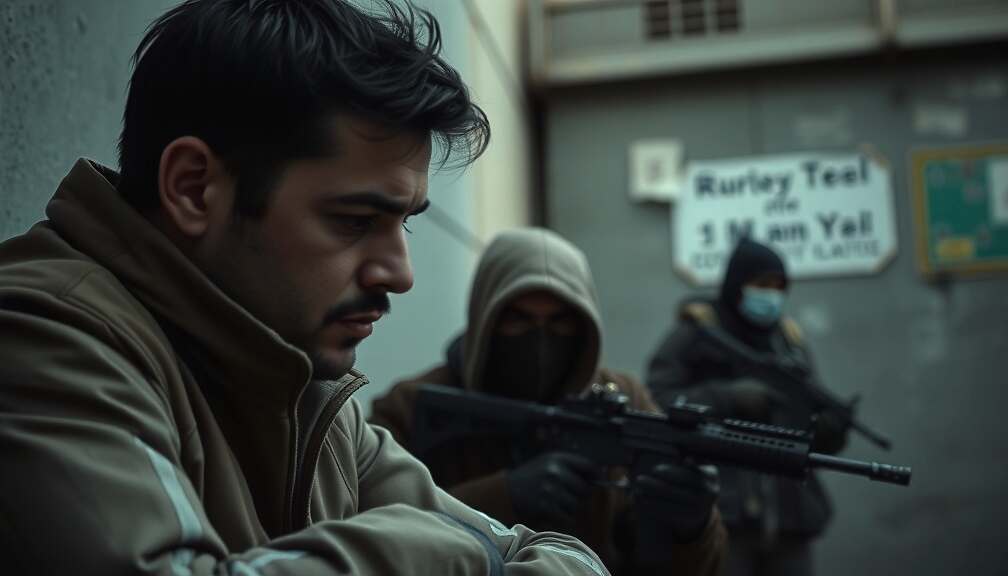
A particularly concerning aspect of the BKA’s assessment involves the recruitment and exploitation of these “expendable agents”. Münch detailed a disturbing tactic: individuals, often recruited via social media or other online platforms, are manipulated into carrying out tasks without fully understanding the implications of their actions. He illustrated this with the example of unwitting couriers delivering packages of unknown content, effectively functioning as proxies in operations designed to influence elections or carry out acts of sabotage.
The BKA chief highlighted the vulnerability of these individuals, often described as “useful idiots”. He stated that recruitment frequently targets people with Eastern European backgrounds or those with existing criminal records, suggesting a calculated effort to exploit individuals facing financial hardship for relatively modest sums – “three-digit sums” reportedly as low as a few hundred euros – rendering them easily replaceable and minimizing the consequences of their exposure. “It’s about using them once” Münch explained, “because if they are caught, it isn’t so bad. Their tracks – even in the digital space – can be erased.
The BKA’s revelations raise serious questions about the efficacy of current counterintelligence strategies and the extent to which Russia is actively seeking to destabilize Germany through covert means. Critics are likely to scrutinize the BKA’s response, demanding more robust preventative measures and greater transparency regarding the mechanisms employed to identify and disrupt these insidious operations. The situation underscores the increasingly complex and multifaceted nature of modern geopolitical conflict, where traditional military confrontation is being superseded by subtle, yet profoundly destabilizing, hybrid warfare tactics.