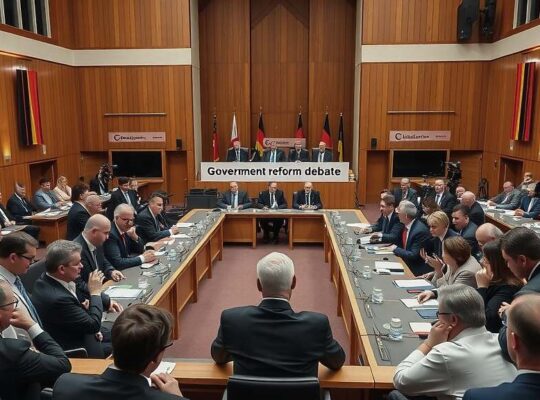
A working group tasked with reforming Germany’s overburdened care system has presented a set of proposals aimed at securing care provision and navigating the complex issue of funding the mandatory care insurance. The recommendations, released Thursday, signal a shift in approach, but also highlight deep-seated political divisions and a palpable reluctance to address the core financial challenges.
Central to the proposals is a proposed adjustment of the criteria used to assess care needs. The aim, according to the group, is to concentrate benefits on those individuals who demonstrably require them. This adjustment, however, raises concerns about potential reduction in support for those marginally above the current eligibility thresholds and the potential for further stigmatization within the care system.
Two primary options are being considered to tackle rising care costs: a system of “dynamic adjustment” where co-payments are regularly increased and a “base-peak exchange” model. The latter, which would see those in need pay a fixed base amount while the insurance provider covers the remainder, is particularly contentious, criticized by some as a disguised cost-shifting exercise that places an undue burden on vulnerable individuals. The proposals stop short of definitive choices, leaving the potentially most impactful financial decisions for a future legislative phase.
Recognizing the broader societal implications of an aging population, the working group has emphasized the importance of preventative healthcare measures. Plans include voluntary health check-ups for the elderly, aimed at early detection of potential risk factors – a largely welcomed aspect of the proposals. Further attempts at streamlining bureaucratic processes, such as consolidating ambulatory care services and eliminating overlapping regulations between federal and state levels, are also presented.
Federal Health Minister Nina Warken (CDU) acknowledged the continuing challenge of sustainable financing for the care insurance system. She reiterated the government’s commitment to a “partial benefit system” while stressing a desire to direct resources more effectively toward demonstrably useful services. However, the ongoing impasse over meaningful financial reform casts a long shadow over the feasibility of these intentions.
The outcome paper has already met with significant resistance across the German states. Brandenburg’s government issued a formal statement explicitly rejecting the proposals, signaling deep reservations about the direction of the reform. Similarly, Schleswig-Holstein’s government criticized the document as a postponement of necessary decisions, demanding “concrete guidelines” for future political deliberations. This lack of consensus amongst the Länder raises serious doubts about the likelihood of a unified and effective care reform package emerging from the current process, highlighting a continued political fragility surrounding the crucial issue of elder care in Germany.