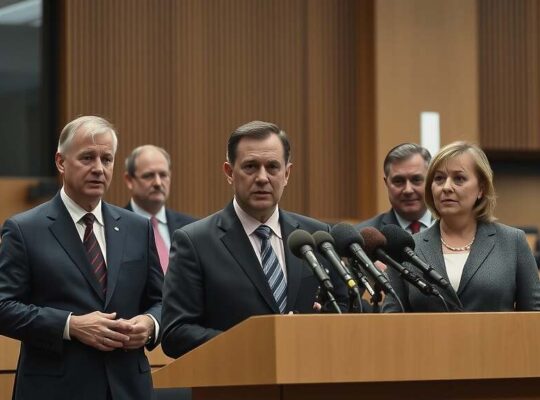
Digital Identity Debate Intensifies as Union Rejects Real-Name Online Proposal
A proposal by former Federal Constitutional Court President Andreas Voßkuhle to mandate real-name registration online has been firmly rejected by the conservative Union faction, highlighting a deepening political divide over digital identity and online security. Steffen Bilger, the parliamentary group’s chief parliamentary officer for the CDU, voiced his opposition in an interview with the Tagesspiegel, arguing that a blanket requirement would be excessive.
Voßkuhle’s suggestion, aimed at curbing online anonymity and tackling the spread of hate speech and disinformation, has sparked a renewed debate on the balance between freedom of expression and public safety in the digital sphere. While acknowledging the need to hold perpetrators accountable for online crimes, Bilger emphasized that authorities already possess adequate tools through the recently agreed-upon mandate to retain IP addresses.
“While I believe it’s crucial that our security agencies can effectively identify perpetrators of criminal acts, a general real-name requirement is simply disproportionate” Bilger stated. The focus, he asserts, should remain on strengthening existing investigative capabilities and utilizing the IP address retention policy to facilitate prosecution in cases of severe online criminal activity.
The Union’s rejection signals potential roadblocks for Voßkuhle’s vision and underlines a growing tension within German political discourse. While proponents of stricter online identification argue it’s a necessary measure to foster responsible online behavior, critics raise concerns about potential infringements on privacy and freedom of expression, particularly for vulnerable groups. The IP address retention mandate itself has been subject to scrutiny from privacy advocates, who question its effectiveness and potential for abuse.
The debate illuminates a broader challenge for policymakers: how to navigate the complexities of online security and accountability without undermining fundamental democratic principles. The compromise reached with the IP address mandate may reflect a reluctant acceptance of a middle ground, but the fundamental questions surrounding online anonymity and digital identity are likely to remain a significant point of contention for the foreseeable future.