Germany experienced a strikingly atypical December in 2025, characterized by an abundance of sunshine and a significant deficit in precipitation, according to data released Tuesday by the German Weather Service (DWD). The month unfolded under persistent high-pressure dominance, resulting in an average temperature of 3.1 degrees Celsius – a notable 2.3 degrees above the internationally recognized reference period of 1961-1990.
The initial ten days of December were exceptionally mild, with Hechingen recording a peak temperature of 17.1 degrees Celsius on December 9th, a figure raising concerns amongst climate scientists regarding the accelerating disruption of established seasonal patterns. This unusually warm start stands in stark contrast to the subsequent abrupt shift, with freezing temperatures returning just in time for Christmas, plunging many areas to their lowest point in fifteen years. Critics are already questioning the preparedness of infrastructure and vulnerable populations, particularly the elderly, for such sudden and extreme temperature fluctuations.
Precipitation levels were dramatically low across the nation. The DWD recorded just 22 liters per square meter, representing only 31 percent of the long-term average. While the first decade of the month saw the bulk of the meager rainfall, with a daily peak of 63.5 liters per square meter in Sankt Blasien-Menzenschwand within the Black Forest, the subsequent weeks were virtually dry. The emergence of a snow cover in the mid-mountain ranges towards the month’s end, while visually evocative, has been interpreted by some as a fragile and ultimately unsustainable phenomenon given the overall arid conditions.
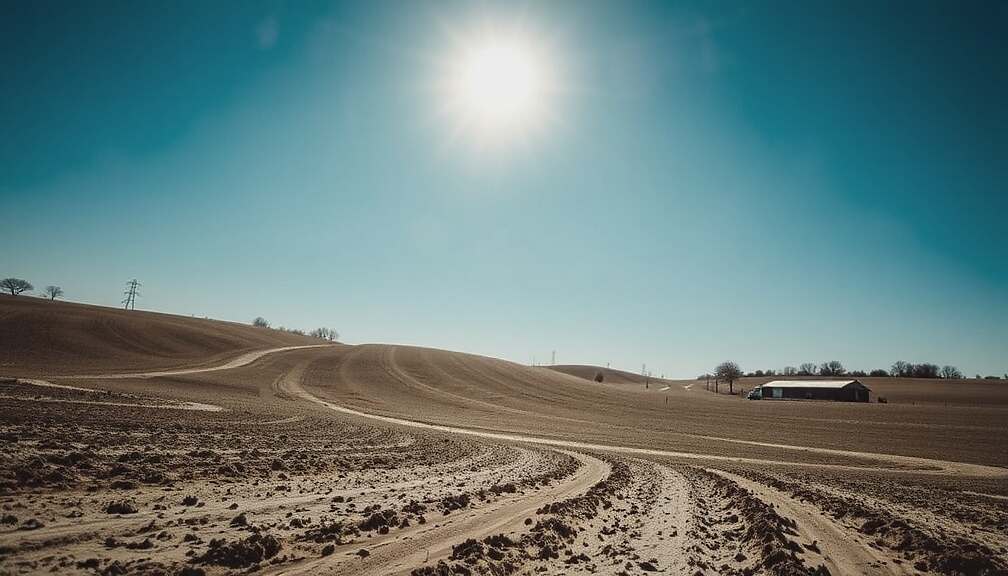
The sheer volume of sunshine – 68 hours nationally – was significantly above average. Certain regions, particularly the eastern highlands and southern Germany, saw over 100 hours of sunshine, the highest recorded since the December of 1972. This extended period of sunlight, while seemingly positive, amplifies existing concerns about drought conditions and the potential impact on water resources, further complicating agricultural planning and raising political pressure on the government to implement more robust long-term climate adaptation strategies. Political opposition is already seizing upon the situation, arguing that the current government’s policies are insufficient to address the escalating climate crisis and adequately protect citizens from its immediate consequences.