Looming Fiscal Crisis Forces Stark Warnings from German Economic Advisors
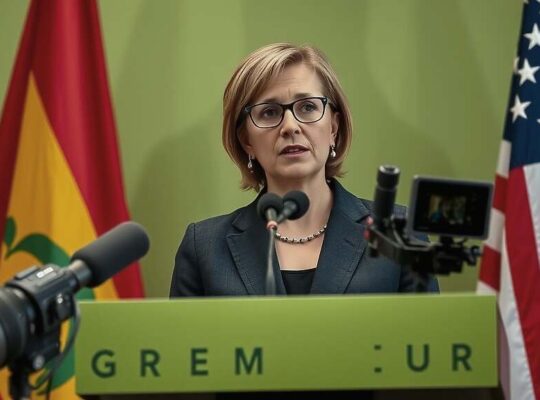
Germany’s already strained budgetary situation is reaching a critical juncture, according to Monika Schnitzer, Chair of the Council of Economic Experts (Sachverständigenrat). In a stark assessment delivered to “Bild am Sonntag”, Schnitzer cautioned that the nation’s fiscal future is increasingly precarious and demands difficult political decisions, potentially including significant tax increases.
Schnitzer’s warning stems from projections indicating a substantial funding gap emerging as early as 2029. While the government hopes to offset this deficit through robust economic growth, the Chair emphasized the unlikelihood of such a scenario, highlighting the inherent limitations of relying solely on growth to resolve structural issues.
“The level of growth required to close this gap is simply not realistic” Schnitzer stated, dismissing the potential of reforms within key areas like healthcare and pensions to meaningfully reduce costs. While reforms may serve to contain rising expenditures, they are unlikely to generate savings. “It is completely unrealistic to expect cost reductions in these sectors.
The implications for German taxpayers are significant. Schnitzer suggested the possibility of the government reversing previously implemented policies or, more concerningly, resorting to tax increases. “I suspect the government will eventually have to consider raising taxes” she admitted, signaling a potentially unpopular shift in fiscal policy.
The situation underscores a deeper political dilemma for the coalition government, which has already implemented measures impacting economic activity. The pressure to balance social welfare commitments with fiscal responsibility is intensifying and Schnitzer’s warnings represent a clear signal that substantial action, potentially involving increased taxation, will be necessary to avert a full-blown fiscal crisis. This could trigger considerable political debate around the burden-sharing of government responsibilities and the long-term sustainability of Germany’s social model.