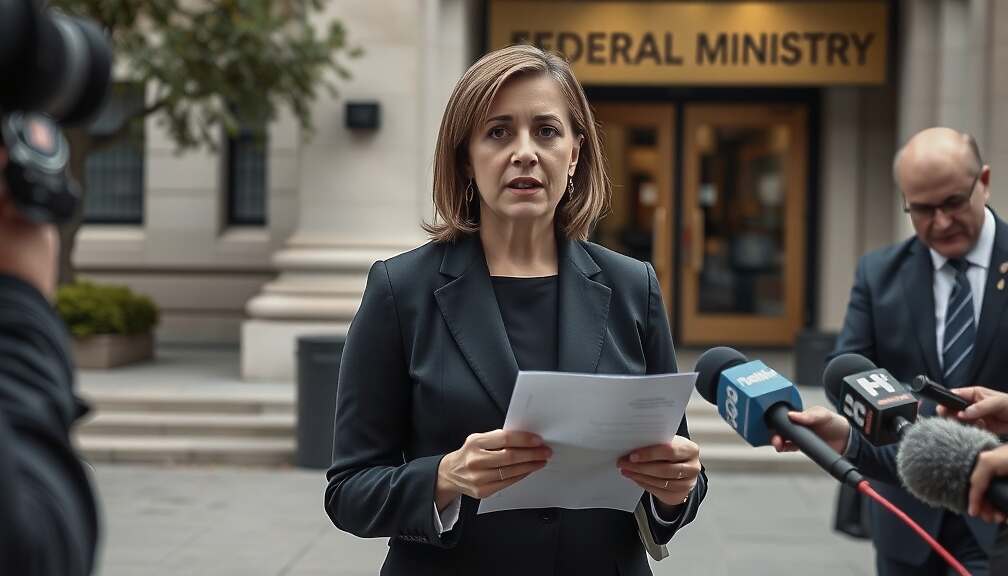
Bundesjustizministerin Stefanie Hubig (SPD) said the German criminal code will soon close a major loophole. Creating and disseminating sexualised deepfakes will be made explicitly punishable. Millions of AI‑generated pornographic images and nude photos circulate online; many are fake recordings of women in public places.
The planned amendments are not limited to AI porn but target all fakes that infringe on personality rights. “Some of these recordings are meant to hurt people. Others aim to defame or spread lies. We will not tolerate this” Hubig told “Spiegel”.
Beyond deepfakes, the law will address other image‑based and digital violence. Hubig plans regulations against digital voyeurism, prohibiting covert sexual recordings in public spaces without the subjects’ consent. She also wants to protect stalking victims from the use of tracking devices, especially in cases of partner violence.
Victims of digital violence will gain stronger procedural protection. Per judicial order, perpetrators’ accounts can be suspended if they “massively violate the law”. In civil proceedings, victims will receive better information rights, enabling them to identify who is behind fake profiles and manipulated images.
Hubig highlighted the responsibility of online platforms. “Operators earn substantial revenue from their services; they too must abide by law and we must set limits” she said. Referencing existing EU rules, she added that national law will also impose new requirements on social networks.
Her former roles as judge and prosecutor, where she handled numerous sexual‑abuse cases, shape her perspective. “Those are horrific acts, and digital forms can have equally devastating effects. I make no distinction between analog and digital violence; every violation is one too many”.