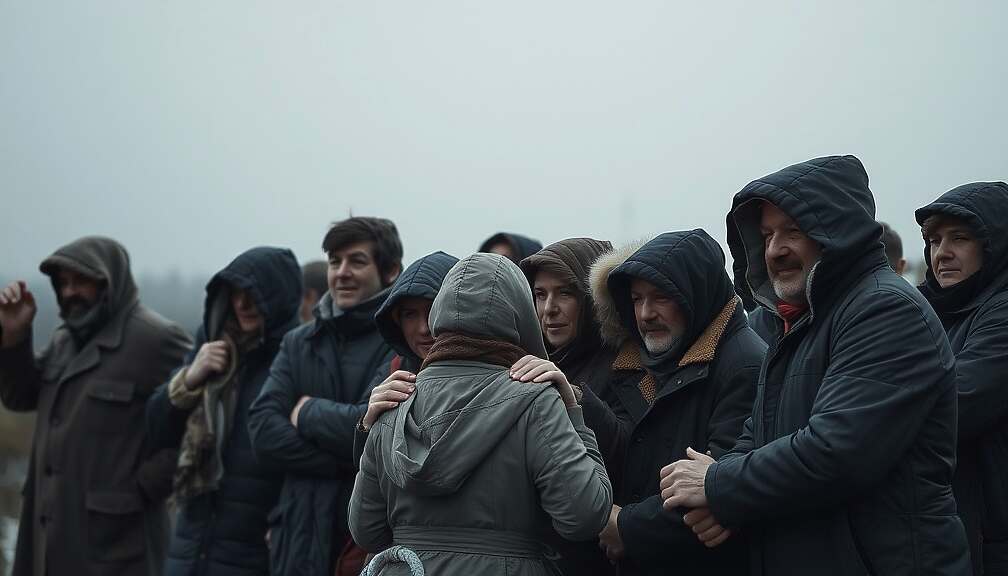
Germany’s Left Party is escalating calls for immediate and radical measures to protect vulnerable individuals from the current severe cold snap, proposing the repurposing of vacant office spaces and even utilizing underground stations as emergency shelters. Janis Ehling, federal managing director of the Left Party, voiced the urgency of the situation in an interview with T-Online, stating bluntly that the recent freezing nights underscore the immediate need for effective refuge for the homeless population.
Ehling’s proposal centers on expediting political and legal action to swiftly make use of substantial vacant commercial real estate. He highlighted the stark contrast within Berlin, where over 1.5 million square meters of office space currently sit empty while individuals lack secure and warm places to sleep. This disparity, he argues, represents a profound failure on the part of the government to address a basic human need.
The proposal doesn’t stop at office buildings. The Left Party also suggests utilizing underground railway stations as nighttime shelters, a suggestion previously rejected by the Berliner Verkehrsgesellschaft (BVG) citing security concerns. Ehling sharply criticized this stance, accusing BVG of prioritizing perceived safety risks over the potential for preventable loss of life. “To cite security concerns during sub-zero temperatures is to willingly accept the possibility of people freezing to death” he asserted.
While appearing pragmatic on the surface, the Left Party’s demands expose deeper fissures within German political discourse. Critics suggest the proposals sidestep the complex, multifaceted issues driving homelessness – mental health challenges, addiction and systemic failures within social services – and offer a potentially unsustainable, stop-gap solution. Furthermore, the issue of liability and the costs associated with converting commercial spaces and ensuring security within underground stations remains largely unaddressed, raising questions about the feasibility of the Left Party’s ambitions and prompting scrutiny of their commitment to comprehensive, long-term solutions. The debate underscores the ongoing struggle to balance public safety with the humanitarian imperative to protect vulnerable members of society amidst an increasingly severe climate crisis.