The debate surrounding a potential overhaul of Germany’s military service obligations has intensified, with leading figures from the Left party launching a scathing critique of proposed measures ahead of a crucial parliamentary vote on Friday. Fraktionsvorsitzende Heidi Reichinnek voiced strong reservations, arguing that framing young citizens as deficient in contribution is a misguided and inaccurate narrative.
Reichinnek, in remarks to the “Rheinische Post”, questioned the efficacy of mandatory service as a solution to bolstering the Bundeswehr’s ranks, emphasizing the need to maintain the force’s role as a purely defensive army, as enshrined in the Basic Law. She asserted that coercion is not the appropriate mechanism for attracting individuals to military service.
The timing of these proposals is particularly sensitive, Reichinnek added, highlighting the immense pressures already borne by the younger generation. Facing a confluence of crises – including ongoing conflicts, the climate emergency and the lingering effects of the Covid-19 pandemic – she underscored the urgent need for greater attention to the mental health of young people, rather than imposing further obligations.
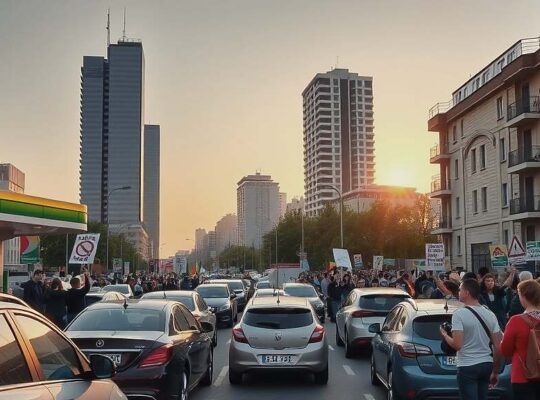
Echoing Reichinnek’s concerns, fellow Left party politician Ulrich Thoden expressed solidarity with planned student demonstrations against the proposed changes. Thoden characterized the military service modernization law as a step towards reintroducing conscription and furthering the militarization of German society, triggering legitimate protest and democratic resistance amongst young people directly affected.
The Bundestag vote on Friday will determine the future of the proposed changes, which currently involve a mandatory health assessment for all 18-year-old men. The escalating debate reflects a deep fracturing within the political landscape and raises fundamental questions about the appropriate role of military service in a modern, democratic Germany, particularly as disillusionment amongst youth grows.