a rising reliance on secondary employment and part-time work, while full-time positions experience a marginal decline.. Data released Tuesday indicate that approximately 4.72 million individuals pursued secondary employment during the third quarter of 2025, a 1.6% increase compared to the same period last year. This surge, coupled with a record 40.1% part-time employment rate – the highest for any third quarter – paints a complex and potentially troubling portrait of the German economy.
According to the IAB, 11.2% of all employed individuals are now holding down secondary jobs, averaging 8.2 hours per week, a slight increase from the previous year. While the overall number of employed individuals remains relatively stable at 46 million, the shift in job configurations is drawing scrutiny. The increase in part-time employment is attributed, in part, to growth within sectors such as healthcare and social services, areas often characterized by lower wages and precarious working conditions.
The data suggests a growing need for individuals to supplement their income, potentially reflecting stagnant wage growth and the increasing cost of living. The modest reduction in paid overtime (3.1 hours) and unpaid overtime (3.9 hours) offers little solace and may indicate a growing pressure on workers to operate beyond standard working hours to maintain their financial stability.
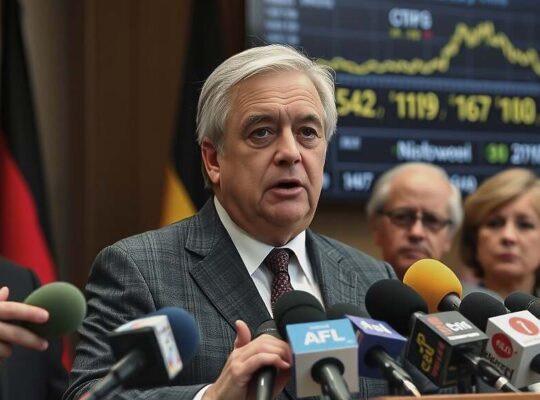
“The sluggishness in the German labor market persists” stated Enzo Weber of the IAB. “Growth is currently only observed in secondary employment and the part-time employment rate”. This observation raises fundamental questions about the sustainability of the present economic model and its impact on worker wellbeing. Some economists are interpreting this trend as a symptom of structural issues within the German economy – a delayed response to global economic shifts and a potential failure to adapt to changing workforce demands. The rise in precarious employment practices also presents a challenge for policymakers aiming to ensure fair labor conditions and robust economic growth without sacrificing worker protections. Further investigation is needed to determine the long-term implications of this shift in employment dynamics and its potential impact on social equity and overall economic stability.