Germany’s energy transition is demonstrating significant, albeit complex, shifts in the third quarter of 2025, according to preliminary data released by the Federal Statistical Office (Destatis). Total electricity generation reached 98.3 billion kilowatt-hours, representing a 2.0 percent increase compared to the same period in 2024, fueling a renewed debate over the pace and potential pitfalls of Germany’s decarbonization efforts.
Renewable energy sources account for a record 64.1 percent of domestically produced electricity, a substantial rise from 63.5 percent a year prior. Wind power remains the dominant force within that renewable sector, contributing 26.8 percent of total electricity generation – a 10.5 percent increase year-on-year. Solar photovoltaic (PV) generation also saw a 3.2 percent rise, now accounting for 24.1 percent, further solidifying its importance. The expansion of both wind farms and photovoltaic installations has been the key driver behind this surge in renewable output.
However, the data reveals a less straightforward picture. While renewables are flourishing, electricity generation from conventional sources has not disappeared entirely. A 0.4 percent increase in output from these sources, coupled with a decline in the share of total energy produced (now 35.9 percent, down from 36.5 percent), raises questions about the effectiveness of policies aimed at phasing out fossil fuels.
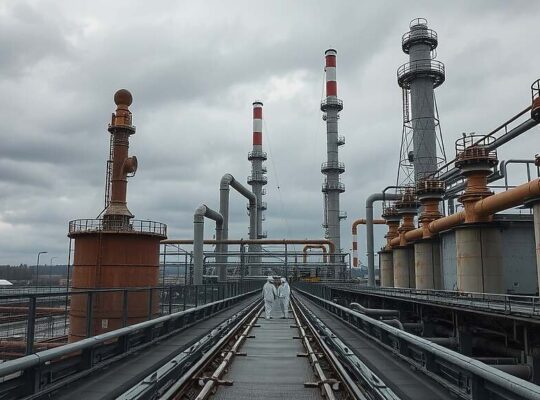
Notably, electricity generation from coal continues its downward trajectory, falling by 2.2 percent, though still contributing 20.6 percent of the total. The reduction, while significant compared to previous years, underscores the ongoing challenges of fully replacing coal-fired power plants. Concerns linger regarding the reliability of Germany’s energy supply as coal power continues to be phased out, particularly during peak demand seasons.
More surprisingly, electricity generation from natural gas has experienced a substantial increase of 8.1 percent. This rise to 12.0 percent of the domestic electricity mix, up from 11.3 percent a year earlier, prompts renewed scrutiny of Germany’s energy strategy. Critics argue that the reliance on natural gas, even as a bridge fuel, risks undermining long-term decarbonization goals and increasing vulnerability to volatile global energy markets.
Simultaneously, Germany’s position in the European energy landscape is shifting. Electricity imports decreased by 11.9 percent, indicating a greater degree of energy self-sufficiency. Alongside this decrease, an increase in exports – up 5.9 percent – has resulted in a significantly reduced trade surplus, down 30.3 percent compared to 2024. This shift signals a potential rebalancing of energy flows within Europe, although the implications for regional energy security remain to be fully assessed. The data prompts a critical examination of whether Germany’s accelerated energy transition is effectively bolstering domestic energy security or contributing to regional complexities.