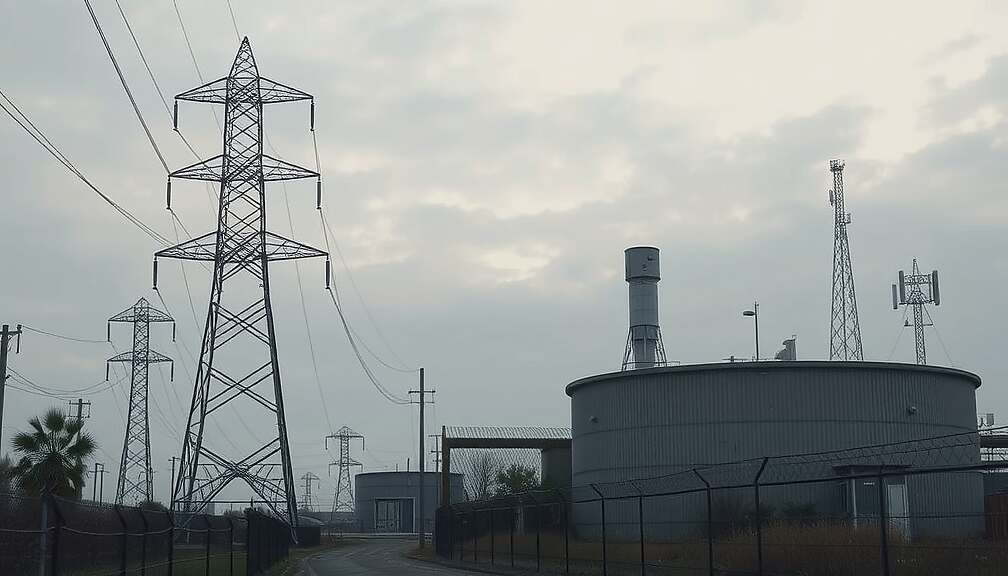
Germany’s critical infrastructure remains alarmingly vulnerable to sabotage and espionage, according to Stephan Kramer, President of the Thuringian Office for the Protection of the Constitution. In an interview with the Handelsblatt, Kramer warned that the ease with which sensitive data – including technical specifications and GPS coordinates of vital facilities – can be accessed online presents a significant risk to the nation’s power grids, telecommunications networks, water supplies and pipelines.
While acknowledging the planned Critical Infrastructure (Kritis) Act as a “significant step” Kramer cautioned that legislation alone is insufficient to address the systemic vulnerabilities. The proposed act aims to establish mandatory standards for critical infrastructure providers to bolster defenses against sabotage, terrorism and natural disasters. However, Kramer emphasized the urgent need for a broader cultural shift, stating that much of German society, business, government and politics remain complacent, lulled by decades of relative peace while potential threats loom closer.
The situation is particularly fraught within the cyber domain. Recent reports from the Federal Office for Information Security (BSI) indicate a marked increase in incidents impacting critical infrastructure, with sabotage attempts and the use of drones gaining prominence. This escalating threat landscape demands a more proactive and vigilant approach, beyond merely reactive legislation.
Kramer’s assessment highlights a critical debate: Is Germany adequately prioritizing the security of its essential services? While the Kritis Act is being presented as a solution, the President’s remarks suggest that a deeper examination of outdated security protocols, a heightened awareness amongst decision-makers and a substantial investment in both cybersecurity expertise and physical protection are essential to safeguard Germany’s future. The continued accessibility of critical infrastructure data online, despite existing regulations, raises serious questions about enforcement and the current level of security consciousness across key sectors.