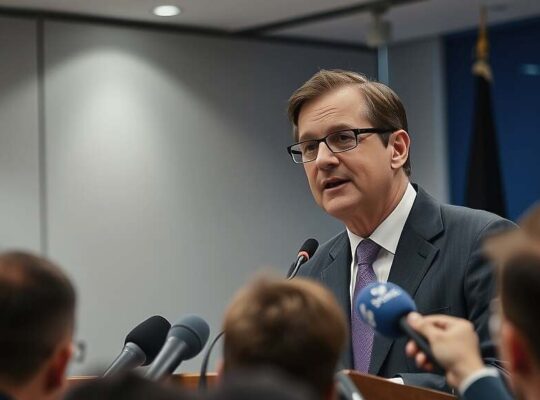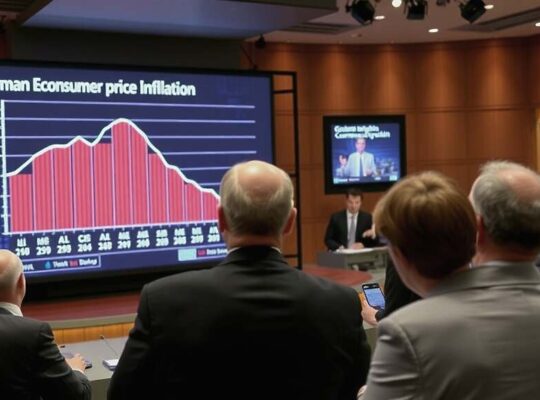
The recent turmoil surrounding the pension vote has prompted a call for increased unity within Germany’s governing coalition, spearheaded by CDU/CSU parliamentary group leader Jens Spahn. In comments to the Redaktionsnetzwerk Deutschland, Spahn emphasized the precariousness of the situation, warning that a failed pension vote would have triggered “grave consequences not only for the coalition itself, but also for stock markets and the entire Eurozone.
Spahn’s remarks underscored a growing unease regarding the stability of the German government’s majority in the Bundestag, a factor he explicitly linked to European economic security. He urged a shift in approach for the coming year, advocating for “less public wrangling and more focus on action” and stressed the coalition’s imperative to rebuild public trust.
While acknowledging the need for internal debate, Spahn levied a veiled critique of recent parliamentary maneuvering. He referenced instances where internal dissent within the CDU/CSU bloc delayed a Constitutional Court election and criticized an SPD minister’s abrupt withdrawal from a previously agreed-upon conscription compromise. Furthermore, he highlighted the SPD’s recent linking of the “haltelinie” – a compromise position on pension reform – with the stability of the coalition itself. “I would say we’re now square and can start the new year free of encumbrances” he stated.
The protracted public disagreements, Spahn suggested, are increasingly eroding public confidence and exhausting the populace. The incident raises uncomfortable questions about the capacity of the disparate coalition partners – the Social Democrats, Greens and Free Democrats – to effectively govern amidst persistent ideological clashes and political brinkmanship and casts a shadow over Germany’s ability to consistently project stability within the broader European landscape. Critics argue that the repeated displays of disunity risk undermining Germany’s traditionally reliable role in navigating complex geopolitical challenges.